
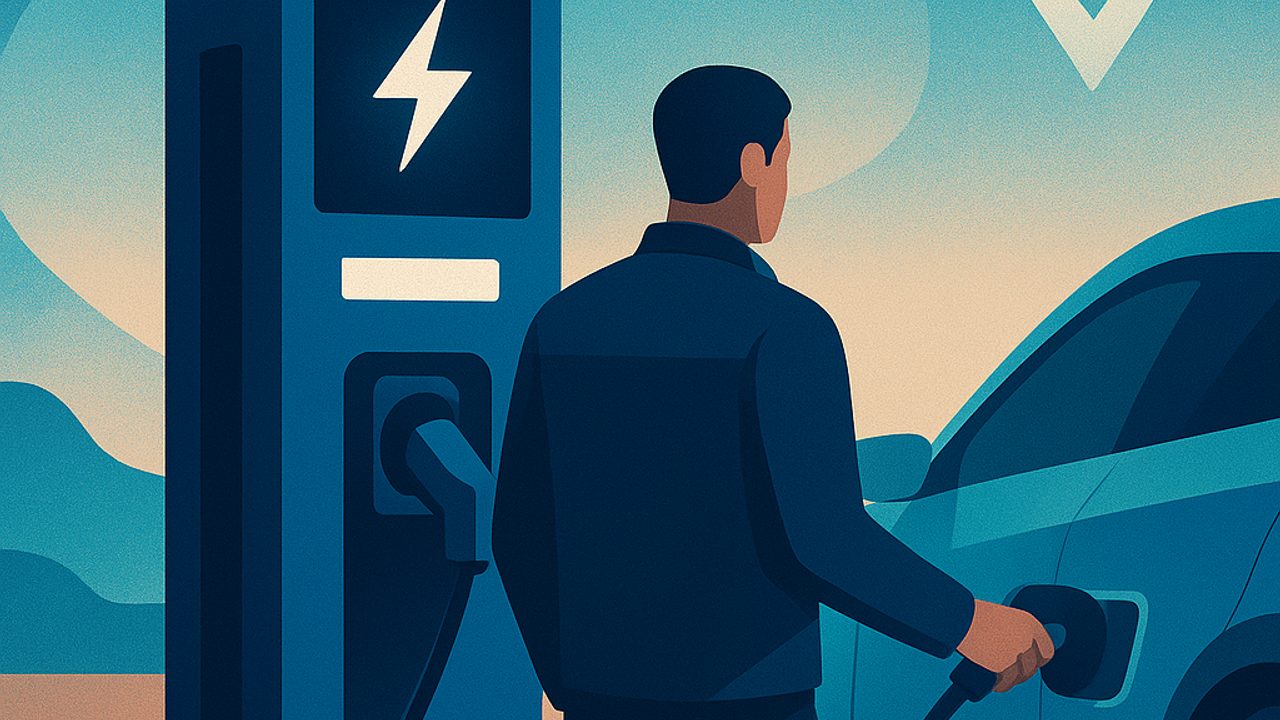
Entering the world of electric vehicles goes beyond choosing the right model. How you organize your day-to-day charging has a direct impact on safety, routine predictability, and peace of mind on the road.
In Brazil, charging infrastructure is expanding, but it still requires planning—especially for those just starting out. Understanding the types of stations, their limitations, and best practices helps avoid common mistakes.
How charging infrastructure works in Brazil today
The Brazilian network combines public and private stations, with wide variation in power, access, and standardization. In urban areas, there is a higher concentration of chargers, while highways still require extra attention to planning.
In general, you will find: - Chargers in malls, supermarkets, and parking lots - Stations in residential condominiums and companies - Charging stations on strategic highways
Not all of them operate 24 hours a day or accept every vehicle, which reinforces the importance of knowing your options in advance.
Types of chargers and what changes in practice
For beginners, understanding the difference between charging types is essential to use each one safely.
- **Slow charging (AC)**: common in homes and urban public locations. It takes longer, but it is predictable and stable. - **Fast charging (DC)**: found on highways and hubs. It reduces stop time, but requires attention to procedures and battery condition.
Using the appropriate type for each situation helps avoid overloads, unexpected queues, and unnecessary stress.
Basic planning before leaving home
Organization starts before turning the key (or pressing the button). A few simple habits increase safety:
- Check the charge level with a margin, not at the limit - Know where the stations near your route are located - Consider alternatives in case a charger is unavailable
For those just starting out, predictability is more important than speed.
Electrical safety: essential precautions
Although charging is designed to be safe, some precautions are fundamental:
- Use only cables and connectors compatible with the vehicle - Avoid improvised extensions or outlets without grounding - Do not force connections or ignore warnings on the dashboard
In public locations, observe the condition of the equipment before connecting the car. If something appears damaged, the safest option is not to use it.
Residential and shared charging: mind the limits
Not every location is ready to accommodate an electric car without adaptations. In homes and condominiums:
- Assess the capacity of the existing electrical installation - Respect shared-use rules - Avoid temporary solutions like electrical “workarounds”
Collective organization and communication reduce risks and conflicts.
Charging routine: building safe habits
Over time, charging becomes part of the routine, like refueling a conventional car. To do so:
- Prefer charging at predictable times - Avoid keeping the battery constantly at extreme levels - Monitor messages and alerts from the vehicle during charging
These habits help keep the system operating as expected.
What to watch for on longer trips
For those planning to travel beyond urban areas, the infrastructure requires extra attention:
- Plan stops with buffer time - Consider wait times and station occupancy - Avoid relying on a single charger along the route
Well-planned trips reduce risks and make the experience smoother, even for beginners.
Comments
Comments are public and the sole responsibility of the author. Don’t share personal data. We may store technical signals (e.g. IP hash) to reduce spam and remove abusive, illegal, or off-topic content.