
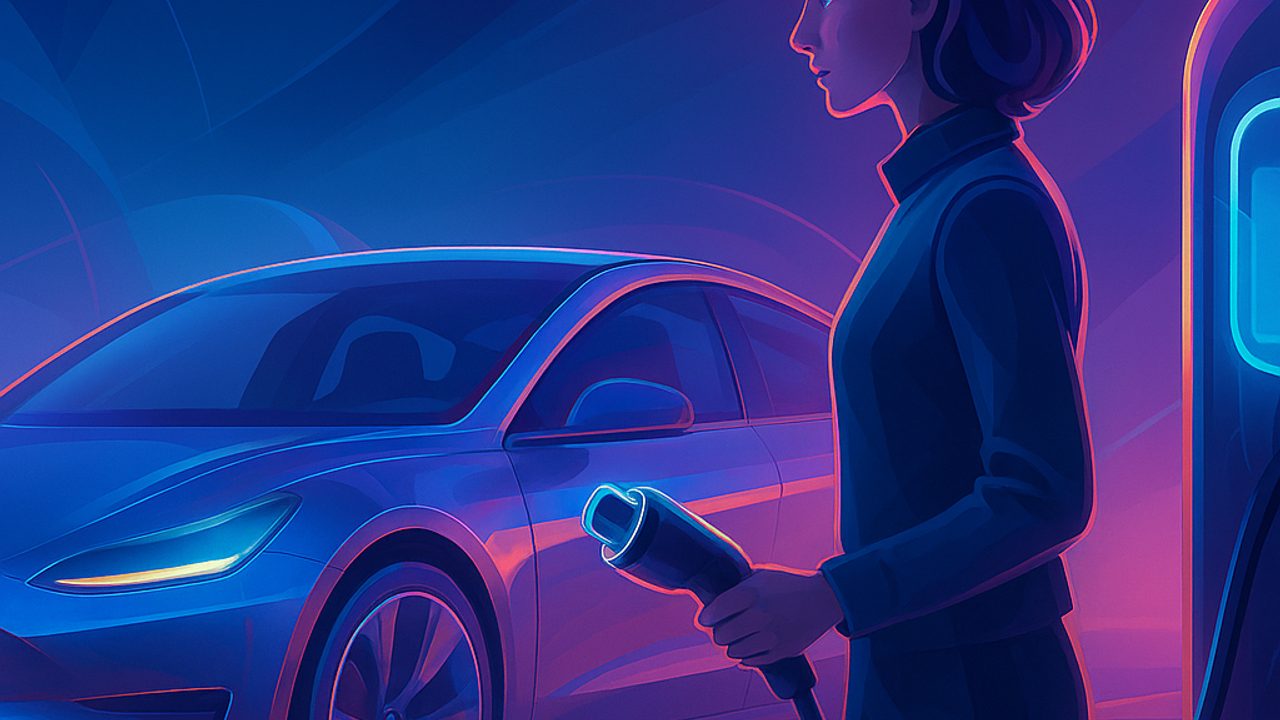
The electric car changes simple routines: planning routes, thinking about the outlet before the gas station, and driving in a quieter way. For those just starting out, the good news is that you can learn quickly — as long as a few precautions become habits.
Below is a step-by-step guide that starts with the essentials and moves on to safer and more efficient practices, without mystery and without exaggeration.
Range without anxiety: how to read the dashboard and the real world
The range shown on the dashboard is an estimate. It reacts to your driving style, air-conditioning use, terrain, and even wind. At first, treat the number as a thermometer, not a promise.
Good practices that help: - Use the most efficient driving mode in the city. - Watch average consumption (kWh/100 km or km/kWh), not just the battery percentage. - Plan to arrive at your destination with a buffer, especially on new routes.
Over time, you start to predict real-world range almost automatically — and that reduces rushed decisions.
Charging from basic to advanced: outlet, wallbox, and fast charger
Charging starts at home, even without a wallbox. Standard outlets work for light use, as long as they are in good condition and dedicated.
Typical path of progression: - **Household outlet**: slow, predictable, and useful for those who drive little. - **Wallbox**: faster and more stable, with better electrical control. - **Fast charger (DC)**: for road trips or emergencies, with extra attention to the car’s warnings.
Always connect and disconnect with the car locked and follow the messages on the dashboard. The system communicates with the charger the entire time.
Route charging planning: safety starts before you leave
On trips, safety lies in planning. Do not rely on a single charging point.
Before leaving: - Check alternatives along the route. - Avoid arriving with very low battery in unfamiliar places. - Consider charging time as part of the trip.
Arriving with 15–20% charge is usually more comfortable than “stretching” it to the limit.
Electric driving: silence, regeneration, and heightened attention
The electric car accelerates immediately and makes almost no noise. This changes traffic dynamics.
Points of attention: - Pedestrians and cyclists may not notice your approach. - Regenerative braking slows the car when you lift off the accelerator; anticipate movements. - On wet surfaces, avoid abrupt acceleration.
Smooth driving increases range and reduces risks — two gains at the same time.
High-voltage battery care in everyday use
The main battery is robust and full of protections, but some habits help with safety and durability: - Avoid leaving the car for long periods at 0% or 100% unnecessarily. - On very hot days, prefer to park in the shade while charging. - Follow the temperature and power warnings shown on the dashboard.
If something is out of the ordinary, the car itself will warn you. Take these alerts seriously.
Advanced use without scares: software, updates, and extra features
Over time, you will deal with software updates, new driving modes, and features that arrive “over the air.”
To use them safely: - Perform updates only when the car indicates it is ready. - Read the notes on the dashboard to understand what has changed. - Test new features on short routes before relying on them for long trips.
Well-used technology simplifies life. Used without attention, it can confuse.
Mental checklist before turning off the car
A simple habit closes the loop: - Is the battery level adequate for the next use? - Is the cable disconnected and stored properly? - Are dashboard alerts resolved?
This “check” takes seconds and avoids surprises. Over time, it becomes routine — and the electric car becomes just… a car, only quieter and more efficient.
Comments
Comments are public and the sole responsibility of the author. Don’t share personal data. We may store technical signals (e.g. IP hash) to reduce spam and remove abusive, illegal, or off-topic content.