
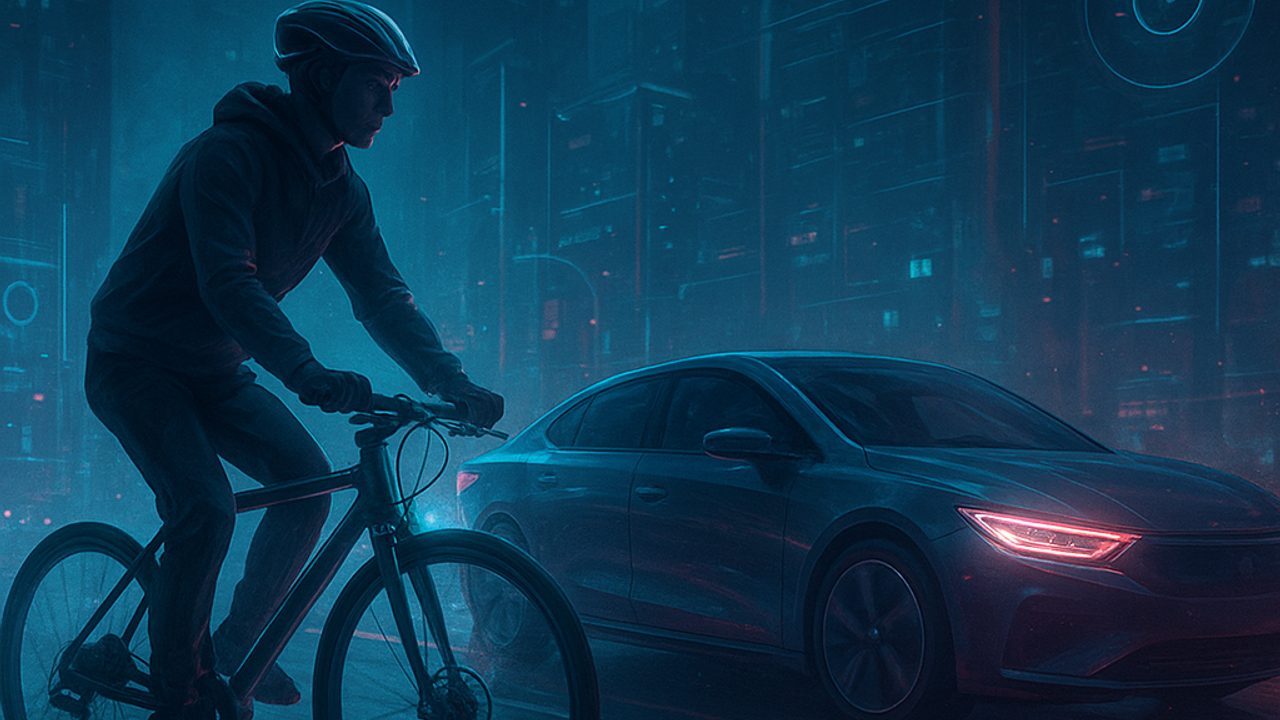
The bicycle has gained space in cities for a simple reason: it solves short- and medium-distance trips with agility, low cost, and almost zero environmental impact. For many people, it becomes the first step before other electric modes, such as scooters and electric cars.
Getting started, however, requires more than buying a bike and riding off. Safety, route choice, equipment, and coexistence with cars make a difference in everyday life.
How to get started without scares
The beginning doesn’t need to be radical. You can adapt the bicycle to your routine little by little:
- Start with short trips, at quieter times. - Wear comfortable clothes and avoid carrying excessive weight on your back. - Adjust saddle and handlebar: wrong posture tires you out and reduces control. - Practice starts, braking, and signaling on calm streets.
Confidence comes quickly when the body understands the rhythm of traffic.
Traffic safety goes beyond the helmet
The helmet is essential, but it doesn’t solve everything on its own. Safety on a bicycle has a lot to do with predictability.
- Ride in a straight line, avoiding zigzagging between cars. - Signal turns with your arm in advance. - Avoid blind spots of buses and trucks. - Prefer to take the lane when the street is narrow, instead of “squeezing” into the edge.
Being seen and understood by other vehicles reduces conflicts.
Routes: the shortest isn’t always the best
Apps help, but the cyclist’s eye matters a lot.
- Local streets tend to be safer than fast avenues. - Disconnected bike lanes require extra attention at entrances and exits. - Long climbs are more tiring than a few extra minutes on a flat route. - Public lighting makes a difference early in the morning or at night.
Creating 2 or 3 alternative routes to the same destination provides flexibility.
Equipment that makes a difference day to day
Beyond the basics, some items greatly increase safety:
- White front light and red rear light, even during the day. - Bell or discreet horn. - A small rearview mirror helps on busy roads. - A good-quality lock for quick stops.
For those who ride regularly, fenders and a rear rack make urban routine easier.
Coexisting with cars: reading behavior
The street is shared, and anticipating movements avoids scares.
- Be wary of turn signals activated too late. - Pay extra attention to doors of parked cars. - At intersections, eye contact helps more than being right. - Buses stop and pull out frequently: keep lateral distance.
The more predictable the cyclist is, the easier it is for the driver to react.
Bicycle, electrification, and the future of the city
Electric bicycles have expanded the reach of urban cycling. They reduce effort on hills, shorten travel times, and attract people who never saw themselves as cyclists.
Integrated with public transport and other electric vehicles, they help reduce congestion and emissions. A city that works better for bicycles usually works better for everyone.
Small habits that reduce risks
- Do simple checkups: brakes, tires, and chain. - Avoid headphones in traffic. - Plan where you will park before leaving. - Respect traffic lights and crosswalks: they also protect the cyclist.
The bicycle is not just a means of transportation. It is a practical way to occupy the city with more awareness and less conflict.
Comments
Comments are public and the sole responsibility of the author. Don’t share personal data. We may store technical signals (e.g. IP hash) to reduce spam and remove abusive, illegal, or off-topic content.