
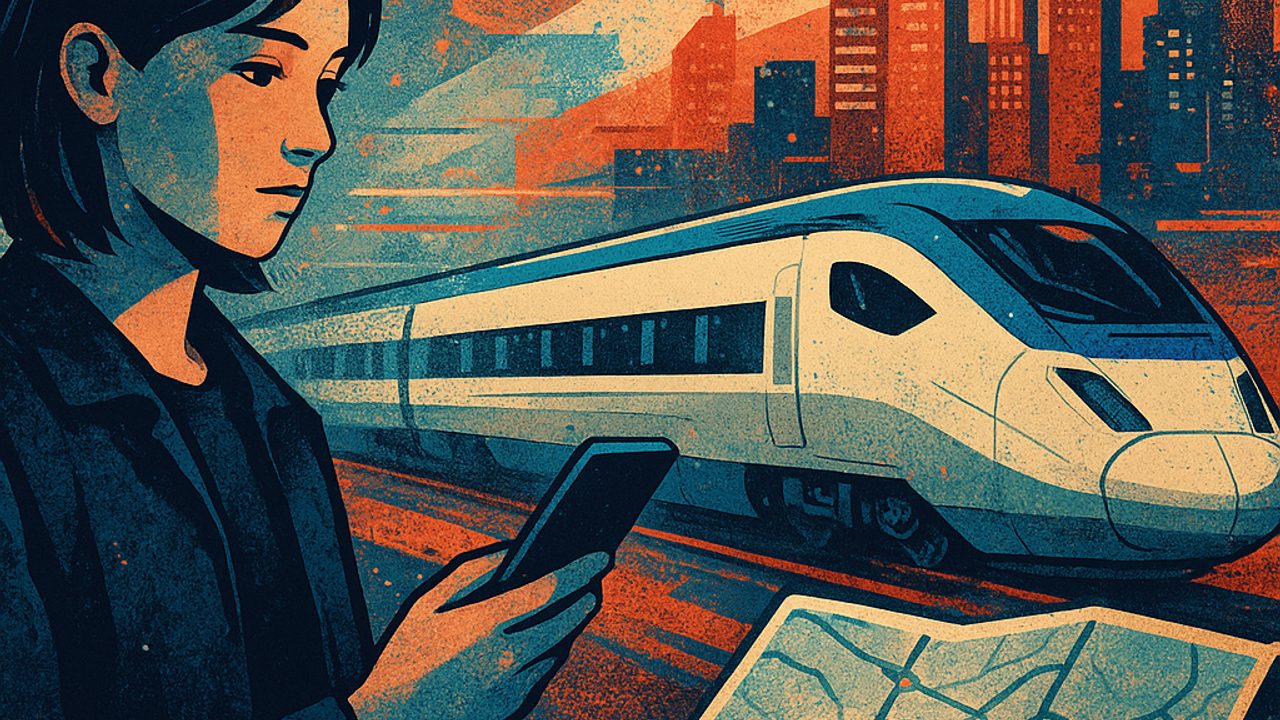
Traveling between cities in South Korea is simple, fast, and predictable — as long as you organize a few details in advance. The country has an efficient rail network, with the KTX as the main highlight, in addition to well-connected intercity buses and regional trains.
For first-time visitors, the key is to think about logistics ahead of time. This checklist brings together three essential points to plan intercity travel, buy tickets with peace of mind, and avoid wasting time along the way.
1) Define intercity routes before buying anything
Before looking at prices or schedules, it’s worth sketching out the backbone of the trip. Which cities will you visit and in what order? In many classic itineraries, the sequence is usually Seoul → Busan → (optionally) Gyeongju or Jeonju.
Having this overview helps to: - Choose the most efficient mode of transportation for each leg - Avoid unnecessary backtracking - Better calculate the number of nights in each city
When the KTX makes the most sense
The KTX is ideal for medium and long distances. Seoul–Busan, for example, takes about 2h30. For short trips or smaller cities, intercity buses or regional trains may be more practical.
2) Understand how the KTX works in practice
The KTX is fast, comfortable, and punctual. There are no ticket gates to enter the platform like in the subway: you access the train area and show your ticket to the conductor on board.
Important points for the first trip: - Seats are reserved - There is no major difference between classes for tourists - Main stations are integrated with the urban subway
Stations you will use most often
Some stations appear in almost every itinerary: - Seoul Station (the country’s main hub) - Yongsan (an alternative in Seoul for some routes) - Busan Station (the southern terminus)
Knowing which station to use avoids confusion when buying tickets.
3) Ticket purchase: online or at the station?
For those who prefer security, buying in advance is a good idea, especially on weekends, holidays, or peak hours. Online purchase allows you to choose seats and schedules calmly.
Buying in person works well when: - You have flexible schedules - You are traveling outside the high season - You want to adjust the plan on the same day
Practical tip about schedules
Arrive at the station at least 20–30 minutes early. Platforms are large, and boarding starts early. Trains do not wait.
4) Plan connections within cities
Intercity travel doesn’t end at the train station. Think about how to get from there to the hotel or next destination. In large cities, the subway solves almost everything; in medium-sized cities, taxis may be faster.
Keep in mind: - KTX stations are usually well signposted - The subway is intuitive even without Korean - Taxis accept electronic payment and are reliable
5) Always have a plan B for transportation
Even with the KTX running perfectly, it’s worth knowing alternatives. Express buses connect virtually all cities and depart from central terminals.
This helps if: - Train schedules don’t fit - You decide to change the itinerary at the last minute - You want to save money on a particular leg
Quick checklist for the first trip
- Intercity itinerary defined before purchase - Correct stations confirmed in each city - KTX tickets purchased or purchase plan defined - Connection from the station to the hotel planned
With these three points well aligned, traveling between cities in South Korea stops being a concern and becomes an enjoyable part of the experience.
Comments
Comments are public and the sole responsibility of the author. Don’t share personal data. We may store technical signals (e.g. IP hash) to reduce spam and remove abusive, illegal, or off-topic content.