
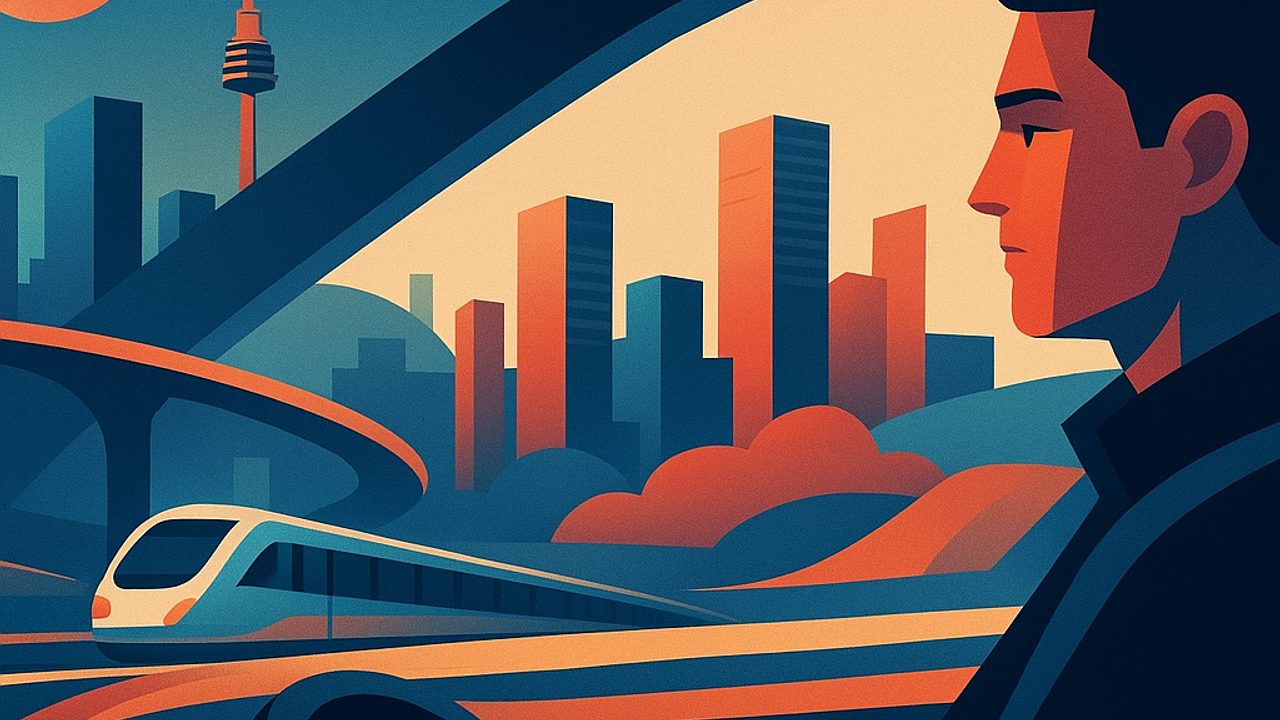
Arriving in Seoul for the first time can feel intense, but the city is friendly for those who learn to read the right map: well-defined neighborhoods, key stations, and simple connections.
This 3-day itinerary focuses less on “seeing everything” and more on getting oriented. The idea is to gain confidence in getting around and make better use of each journey.
Day 1: Historic center with stations that solve everything
Start along the **Gyeongbokgung–Insadong–Jongno** axis, where several lines intersect. The **Gyeongbokgung**, **Anguk**, and **Jonggak** stations are close together and allow walking between palaces, traditional streets, and cafés.
Practical tips: - Use **Anguk** for Insadong (flat streets, easy to walk). - **Jonggak** connects quickly to commercial areas and makes returning to the hotel easy. - Prefer off-peak hours (10 a.m.–4 p.m.) for less crowded escalators.
How to read signs and platforms in the center
Stations in the city center often have multiple exits. Note the exit number before passing through the turnstiles: this saves blocks of walking. Large maps are placed before the turnstiles and show the immediate surroundings.
Day 2: North x South of the Han River without complications
Cross the river to feel the change in pace. **Hongdae** (station **Hongik Univ.**) is youthful and straightforward; **Gangnam** (stations **Gangnam** or **Yeoksam**) is organized and spacious.
Suggested itinerary: - Morning in **Hongdae**: arrive early to walk around. - Afternoon in **Gangnam**: use Line 2, circular and intuitive. - Evening: return on the same line to avoid transfers.
Line 2: the beginner’s ally
Line 2 passes through strategic points and forms a loop. If you take the wrong direction, just get off at the next stop and reverse. It’s the easiest line to “test” longer trips.
Day 3: Viewpoints, shopping, and a quick return
Choose areas with well-connected stations: **Myeongdong** (station **Myeongdong**) for shopping and **Namsan** for views.
Flow suggestions: - Start in **Myeongdong** early (streets get crowded after 5 p.m.). - Go up to Namsan using local transport and walk down. - Finish near a major station for a simple return to the hotel.
Where to stay to reduce travel time
For a first trip, prefer neighborhoods with multiple lines: - **Myeongdong/Jongno**: central, easy for almost everything. - **Hongdae**: direct airport access and nightlife. - **Gangnam**: spacious stations and well-signposted streets.
City buses: when they’re worth it
Use buses when the destination lies between stations or in residential areas. - Colors help: blue (long distances), green (short), red (express). - Enter at the front, validate your card, and watch the digital display.
Small habits that save time
- Keep your transit card always topped up. - Save favorite stations in the map app. - Avoid large luggage during peak hours. - Prefer numbered exits close to your final destination.
With these three days, you not only visit important spots but also learn how to move around the city. From there, Seoul stops being a puzzle and becomes a familiar map.
Comments
Comments are public and the sole responsibility of the author. Don’t share personal data. We may store technical signals (e.g. IP hash) to reduce spam and remove abusive, illegal, or off-topic content.