
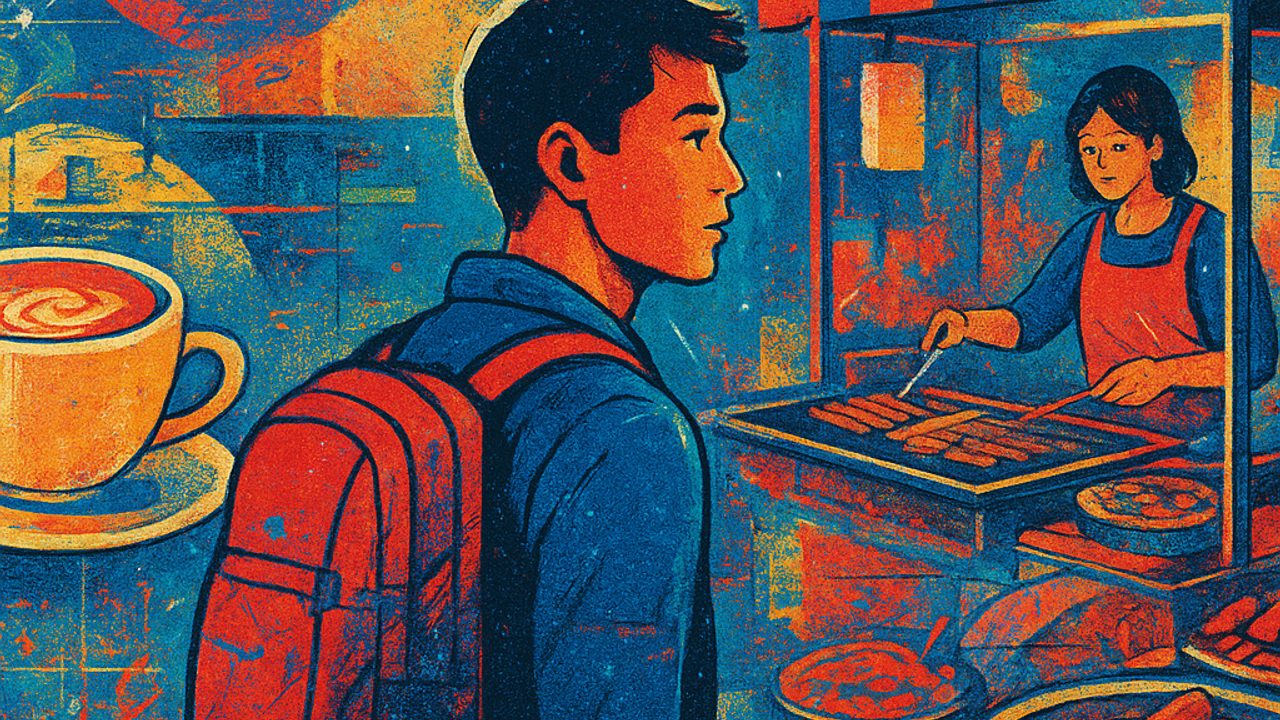
Eating well in South Korea is simple once you understand the basics of schedules, operations, and etiquette. Cafés are plentiful, markets run all day, and street food solves quick meals between sightseeing stops.
Below are clear, objective answers to the most common questions — with a focus on planning and logistics — so you can enjoy local cuisine without stress.
Do I need to plan meals or can I decide on the spot?
You can decide on the spot in most situations. In central areas of Seoul, Busan, and Jeju, options are constant.
It’s worth planning only if: - You want to visit specific markets at peak times (evenings and weekends). - You plan to eat at very popular cafés (lines happen). - You arrive late at night and want to make sure something is open.
What’s the best time for cafés in Korea?
Cafés open early and close late. A common pattern is: - Morning: from 8 a.m. (some earlier, near stations). - Afternoon: the busiest period, especially between 2 p.m. and 5 p.m. - Evening: many stay open until 10 or 11 p.m.
If you want to sit calmly, arrive before lunch or after 7 p.m. For grab-and-go coffee, any time works.
Traditional markets: when to go and what to expect?
Markets are ideal for trying local dishes in one place. Logistics are simple: - Morning and early afternoon: calmer for walking around and choosing. - Night: food stalls ramp up, lively atmosphere, and more ready-to-eat options.
Bring cash for small purchases and allow time: eating at markets is more about snacking than having a formal meal.
Is street food safe for a first trip?
Yes, it’s common and well maintained. Stalls follow basic hygiene rules and turnover is high.
Practical tips: - Prefer busy stalls. - Check if food is prepared fresh. - Start with small portions if you’re not used to it.
Street food works well as a quick lunch or a snack between attractions.
How to pay: card, cash, or app?
Cards are widely accepted in cafés and larger markets. For street food: - Carry cash. - Local digital payments exist, but they’re not essential for tourists.
A simple combination covers everything: card for cafés and restaurants; cash for markets and stalls.
Is eating alone common?
Yes, especially in cafés, markets, and street food settings. No one finds it strange.
To make it easier: - Choose individual dishes (there are many). - At markets, eat standing or at shared benches. - Cafés are great for solo breaks between trips.
Do I need to speak Korean to order food?
No. In tourist areas, menus with photos are common.
What works well: - Pointing to the dish you want. - Using simple words like “this” or “one, please.” - Showing the price if there’s any doubt.
The experience flows even with basic communication, and most staff are used to first-time travelers.
Comments
Comments are public and the sole responsibility of the author. Don’t share personal data. We may store technical signals (e.g. IP hash) to reduce spam and remove abusive, illegal, or off-topic content.