
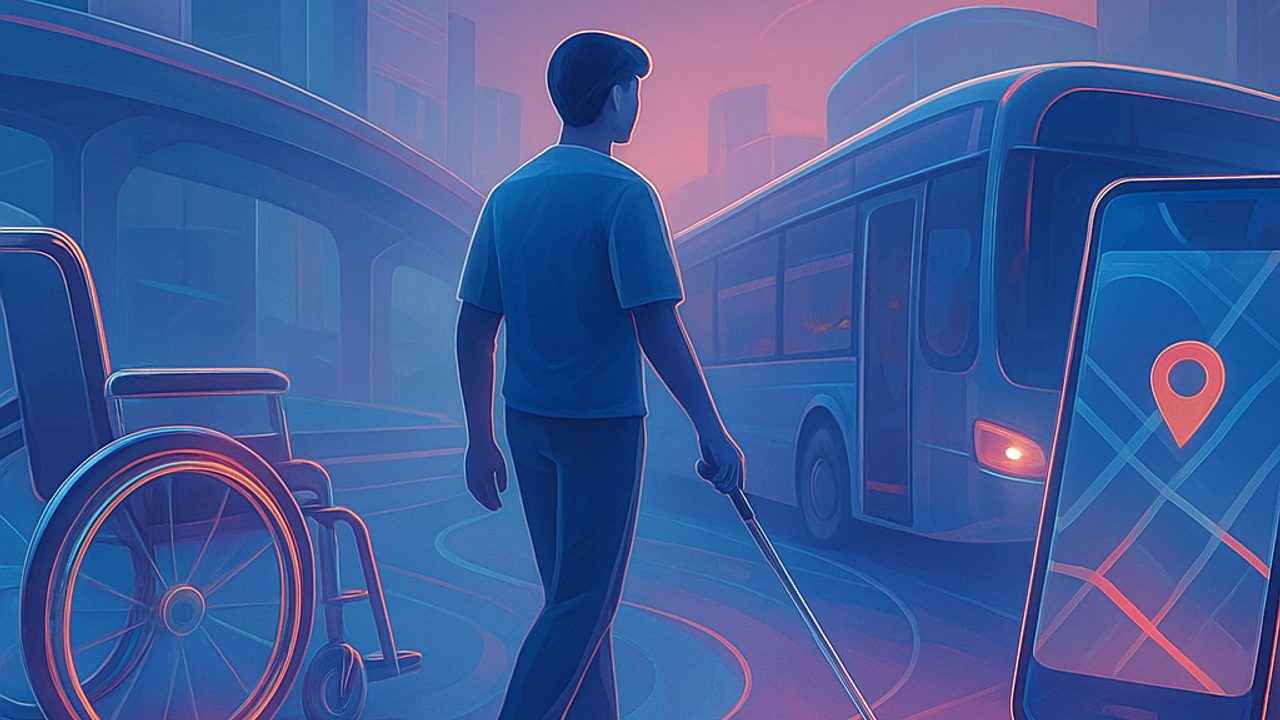
Planning an accessible route is not just about choosing the shortest path. It means considering sidewalks, crossings, boarding, reliable information, and what happens when something goes off plan.
In Brazil, the lack of standardization and irregular maintenance make certain mistakes especially common. Identifying these pitfalls helps avoid delays, discomfort, and unsafe situations.
Pitfall 1: relying only on the app’s “shortest time”
Apps prioritize speed, not accessibility. A fast route may include broken sidewalks, stairs with no alternative, or long crossings without audible signals.
How to avoid it
- Compare two or three suggested routes and look at the route layout, not just the time. - Prefer streets known for wider sidewalks, even if they add a few minutes. - Be wary of shortcuts through alleys, footbridges, or low-traffic areas.
Pitfall 2: assuming every sidewalk is continuous and usable
In Brazilian urban reality, sidewalks “disappear,” change width, slope too steeply, or turn into steps. This affects people with reduced mobility, wheelchair users, blind people, and those pushing strollers.
How to avoid it
- Plan along main corridors, where maintenance is more likely. - Consider crossing the street before critical stretches to follow the more even side. - Have a plan B: identify safe return points if the sidewalk becomes impassable.
Pitfall 3: ignoring real-time public transport conditions
Accessibility is not just about having adapted vehicles. Elevators out of service, crowded platforms, and stop changes impact the journey.
How to avoid it
- Arrive early to deal with boarding setbacks. - Check whether the station or terminal has accessible alternatives between platforms. - On buses, identify lines with a history of newer fleets and stops on level streets.
Before leaving: quick checks that make a difference
Small checks reduce surprises along the way.
- Timing: peak hours increase crossing time and the risk of blockages. - Weather: rain worsens uneven surfaces and steep ramps. - Local information: recent user reports are often more useful than generic descriptions.
Accessible planning is a process, not a guess
Accessible routes are built through observation, adjustments, and memory of the territory. By recognizing common pitfalls and adopting simple strategies, travel becomes more predictable and respectful of different bodies and the city’s rhythms.
Comments
Comments are public and the sole responsibility of the author. Don’t share personal data. We may store technical signals (e.g. IP hash) to reduce spam and remove abusive, illegal, or off-topic content.