
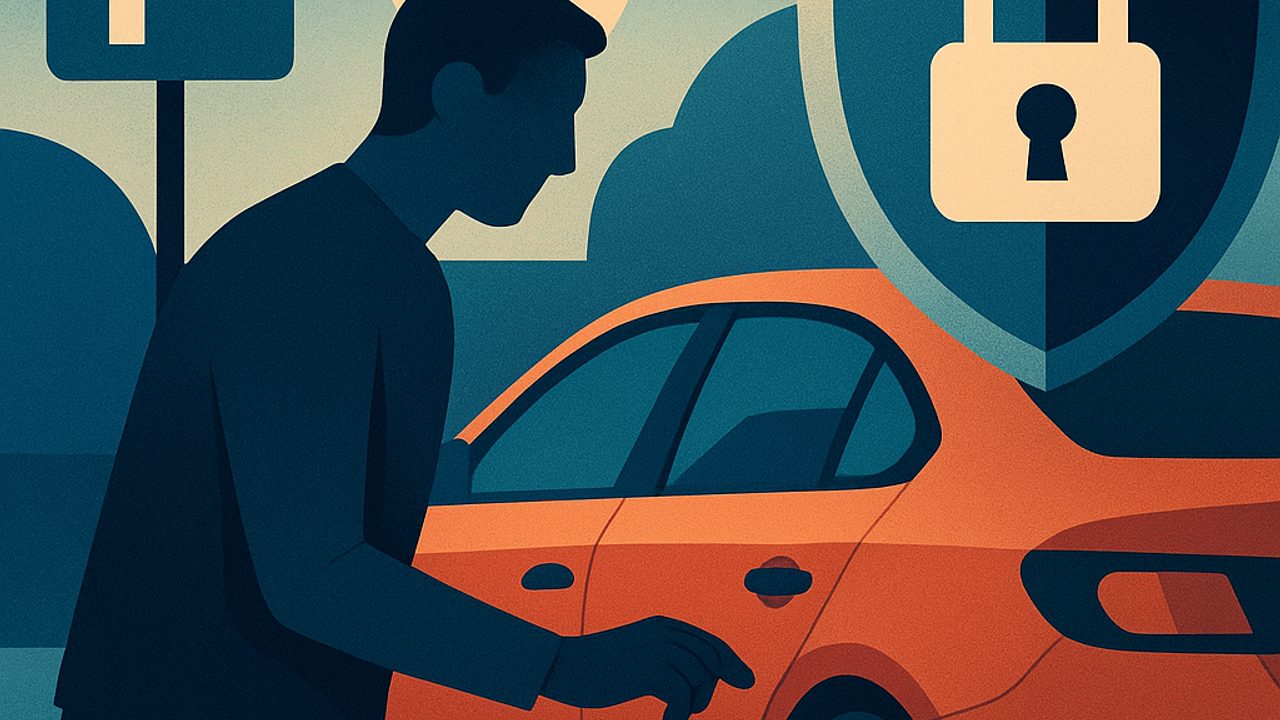
Parking seems simple, but it’s where many problems begin: minor damage, theft of items, and even attempts to take the vehicle. For those just starting out, quick decisions make a difference.
The answers below go straight to the point, with practices that fit into daily routines and help reduce risks — without miracle promises.
Where is it safest to park on the street?
Prefer busy areas, with a constant flow of people and open businesses. Well-lit streets and those close to building entrances tend to discourage quick actions.
Avoid: - Deserted stretches, even if they seem “quiet”. - Long blank walls with no doors or windows. - Isolated spots at the end of the street.
Is paid parking always safer?
Not always, but it usually reduces risks. The presence of staff, cameras, and access control makes opportunistic actions harder. Still, it’s worth checking: - Whether there is foot traffic on site. - Whether lighting works at night. - Whether entry and exit control is effective.
What should you never leave in plain sight inside the car?
Any visible item can become an invitation. Even objects with no apparent value draw attention.
Avoid leaving: - Backpacks, shopping bags, and purses. - Chargers, phone mounts, and electronics. - Vehicle documents and personal papers.
If you need to leave something, use the trunk before parking — never after.
Is it worth turning the wheels and engaging the handbrake?
Yes. Besides safety, it’s damage prevention. Turning the wheels on slopes makes unauthorized movement harder and reduces risks in case of impact. The handbrake should always be engaged, even on flat ground.
Do locks, alarms, and immobilizers really work?
They work as layers of protection. They don’t prevent everything, but they increase the time and noise needed to act.
Common combinations: - Properly engaged power locks. - Alarm with audible alert. - Immobilizer or kill switch.
The goal is to make your car less attractive than the one in the next spot.
How to park to avoid collision and scratch risks?
Observe the surroundings before turning off the car. Small precautions reduce common damage.
Practical tips: - Avoid tight spaces between poorly aligned cars. - Keep away from shopping carts and loading areas. - In buildings, prefer spots far from ramps and curves.
When leaving the car, do a quick check
Before walking away, confirm: - Windows fully closed. - Doors locked (pull the handle). - Nothing visible inside.
This habit takes seconds and prevents headaches later.
Does insurance cover theft and damage in parking lots?
It depends on the type of coverage purchased and what happened. In general, theft and collisions may be covered, but loose items inside the car often have specific rules. It’s worth knowing the basics of your policy to avoid unrealistic expectations.
Parking safety is the sum of small choices. With attention to location and a consistent routine, risk decreases — and the car thanks you.
Comments
Comments are public and the sole responsibility of the author. Don’t share personal data. We may store technical signals (e.g. IP hash) to reduce spam and remove abusive, illegal, or off-topic content.