
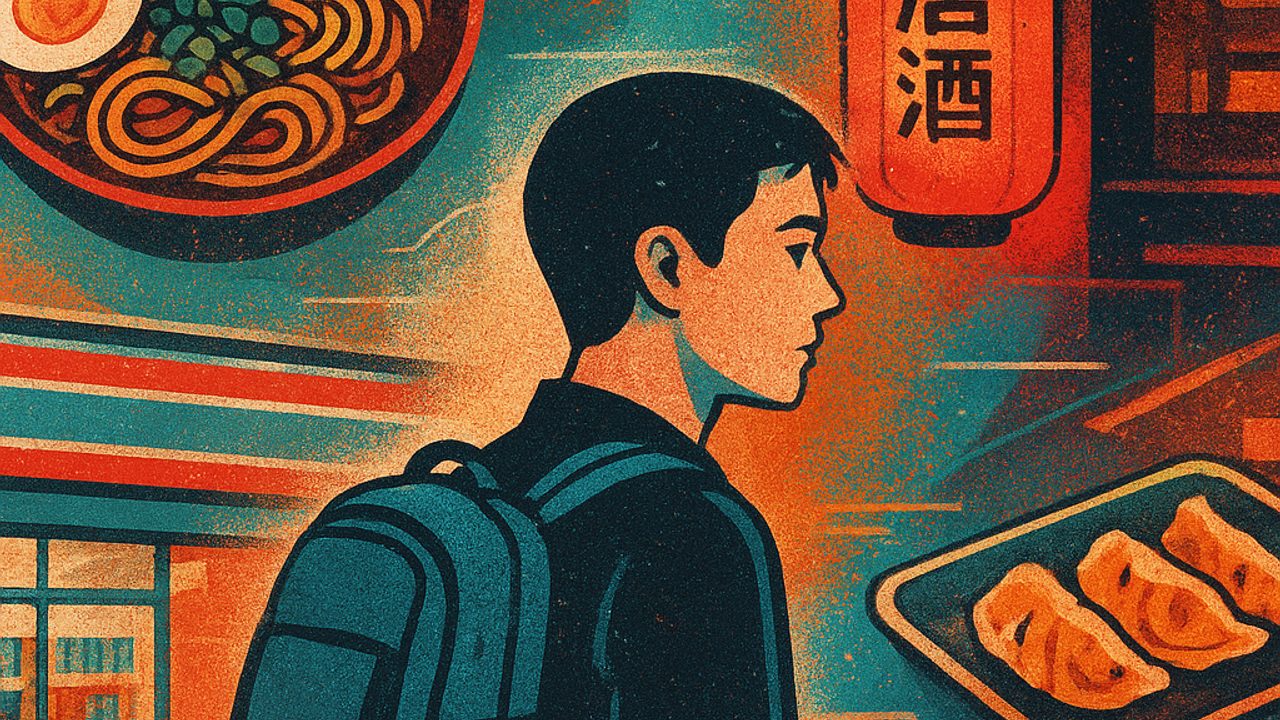
On a first trip to Japan, food comes up all the time — and not only in famous restaurants. The secret is mastering the everyday basics: convenience stores, ramen shops, izakaya, and a few local habits that make everything simpler.
With a bit of planning, you can eat well in any neighborhood, avoid unnecessary lines, and fit meals into your travel route.
Konbini: your base for breakfast, snacks, and emergencies
Convenience stores (konbini) are everywhere and work as a wild card. For those who wake up early or arrive late, they solve things without stress.
What’s worth using day to day: - Quick breakfast: onigiri, simple sandwiches, yogurts, and hot coffee. - Snacks for transport: ideal before taking a regional train or subway. - Ready-made meals: bento options vary by time of day; near the end of the day, some go on discount. - Useful services: heating food, cutlery, napkins, and even ice for drinks.
Practical tip: watch the local flow. Konbini near stations are busiest between 7–9 a.m. and 5–7 p.m. If you can, go outside those hours.
Ramen without fear: how to choose, order, and eat
Ramen is quick, affordable, and present in almost every neighborhood. For trip logistics, it’s a meal that fits well between moves.
How it works in practice: - Many shops use ticket machines at the entrance. You choose, pay, and hand the ticket to the staff. - Photos and buttons help, even without reading Japanese. - Water is usually free and self-served.
Smart planning: - Lunch is usually cheaper than dinner. - Small shops have fast turnover; lines move. - If you’re with luggage, look for more spacious places or eat before checking in.
Table manners at ramen shops
- Eating quickly is normal; it’s not rude. - Slurping noodles is common. - When finished, leave the bowl as you found it and pay only once (there’s no bill at the end).
Izakaya: a flexible dinner after a full day
Izakaya are bar-restaurants perfect for the end of the day. They work well for those who want to try several dishes without a formal commitment.
What to expect: - Menus with small plates meant for sharing. - Drinks ordered separately (water is not always automatic). - A relaxed but organized atmosphere.
To make logistics easier: - Go early (5–6 p.m.) to avoid waiting. - If you’re alone, sit at the counter. - Watch what locals order most: they’re usually safe bets.
Schedules and lines: how to avoid wasting time eating
Planning meals saves more time than it seems.
Common patterns: - Lunch: 11:30 a.m.–1:30 p.m. is peak time. - Dinner: 6–8 p.m. concentrates lines, especially in tourist areas.
Simple strategies: - Have lunch a bit earlier or later. - Use konbini as a plan B when a line isn’t worth it. - On long travel days, eat before getting on the train.
Payment and ordering: the basics that solve everything
Not every place accepts cards, especially small shops. Having a loaded IC card helps a lot.
Quick tips: - Cash is still common in local ramen shops and izakaya. - Paying at the register, not at the table, is standard in many places. - Tipping is not expected.
Learning two or three words helps, but it’s not mandatory. Pointing at the menu works perfectly.
Local habits that make your experience easier
Small details make a difference day to day: - Eating while walking is not common; stop instead. - Trash bins are scarce: carry your trash until you find one. - Trays and dish return are common in casual places.
By adapting to these habits, everything flows better — and food stops being a challenge and becomes a natural part of the trip.
With konbini for the basics, ramen for routine meals, and izakaya to relax, you cover virtually all meals in Japan without effort. The rest is curiosity and appetite.
Comments
Comments are public and the sole responsibility of the author. Don’t share personal data. We may store technical signals (e.g. IP hash) to reduce spam and remove abusive, illegal, or off-topic content.