
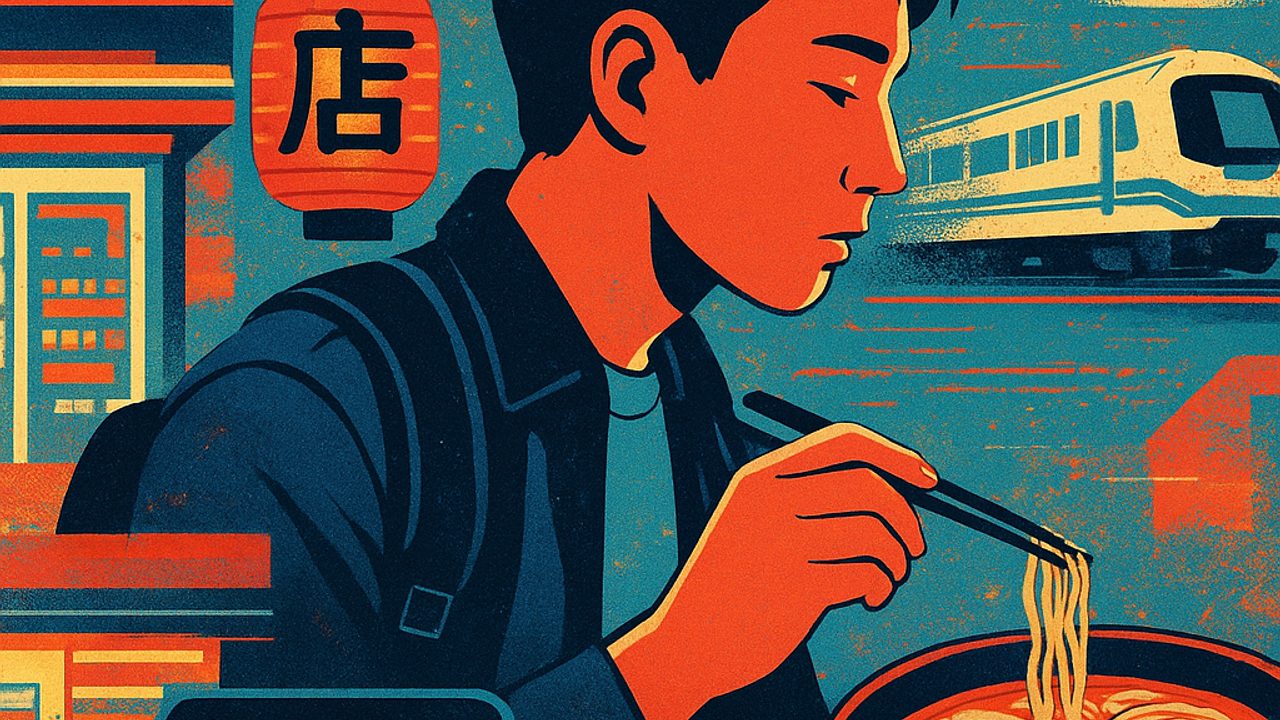
Eating in Japan is part of the experience, but it is also a practical matter of planning. For first-time travelers, understanding how the most common places work — from konbini to neighborhood ramen shops — helps save time, control expenses, and eat well every day.
The good news is that food logistics in Japan are predictable and efficient. With a few local habits in mind, you can organize your day without relying on reservations or extensive research.
Konbini: the practical foundation of daily life
Japanese convenience stores (konbini) are a traveler’s allies. They are everywhere, open early (many 24h), and cover breakfast, snacks, drinks, and even complete meals.
What you can easily find: - Onigiri (rice balls) with various filling options - Ready-to-heat bentos - Sandwiches, salads, and desserts - Coffee, tea, and seasonal drinks
Logistics tip: many hotels do not serve breakfast. Stopping by a konbini the night before or early in the morning saves time before heading out for sightseeing.
Ramen and other quick meals: how they work
Ramen shops are common near stations and commercial areas. In general, they are fast, affordable, and focused on a few dishes.
It is common to find: - Ordering machines at the entrance (with photos or buttons) - Payment before sitting down - Fast customer turnover
Practical planning: - Carry cash, as not all machines accept cards - Avoid peak hours (12:00–13:00 and 18:00–19:00) if you are in a hurry - Eating alone is not strange: this is common in Japan
Other quick dishes besides ramen
In addition to ramen, look for: - Gyudon (rice bowl with beef) - Udon and soba (lighter noodles) - Japanese curry
These dishes follow the same logic: simple ordering, fast service, and predictable prices.
Izakaya: how to plan the evening experience
Izakaya are bar-restaurants ideal for dinner, especially for those who want to try several dishes in small portions.
What to consider: - Many open from late afternoon - Some charge a cover fee (otōshi), which comes as a small dish - The menu may be large, but ordering little by little is normal
For a first trip, it is worth choosing busier izakaya near stations, which tend to be more accessible for foreigners.
Meal times and rhythm in Japan
Understanding schedules helps avoid closed doors: - Breakfast: early, usually at konbini or cafés - Lunch: 11:00–14:00 (many places close outside this window) - Dinner: from 17:00 or 18:00
Some restaurants close between lunch and dinner, especially outside tourist areas.
Payment, ordering, and language: the basics that work
Even without speaking Japanese, you can manage well: - Photos and food replicas help with choosing - Pointing at the menu is acceptable - IC cards are accepted in some places, but cash is still common
Carrying bills and coins makes daily routines easier, especially in small restaurants.
Local table manners that make the experience easier
Small customs make a difference: - It is not common to eat while walking on the street - Return your tray in food courts - Tipping is not expected
Respecting these habits helps keep the flow of the place and avoids uncomfortable situations.
How to fit food into daily planning
For a first trip, think of food as part of the logistics: - Use konbini for quick meals on busy days - Plan one main meal per day at a more relaxed pace - Always have an option near the station you are at
That way, you eat well, save time, and make better use of every move in Japan.
Comments
Comments are public and the sole responsibility of the author. Don’t share personal data. We may store technical signals (e.g. IP hash) to reduce spam and remove abusive, illegal, or off-topic content.