
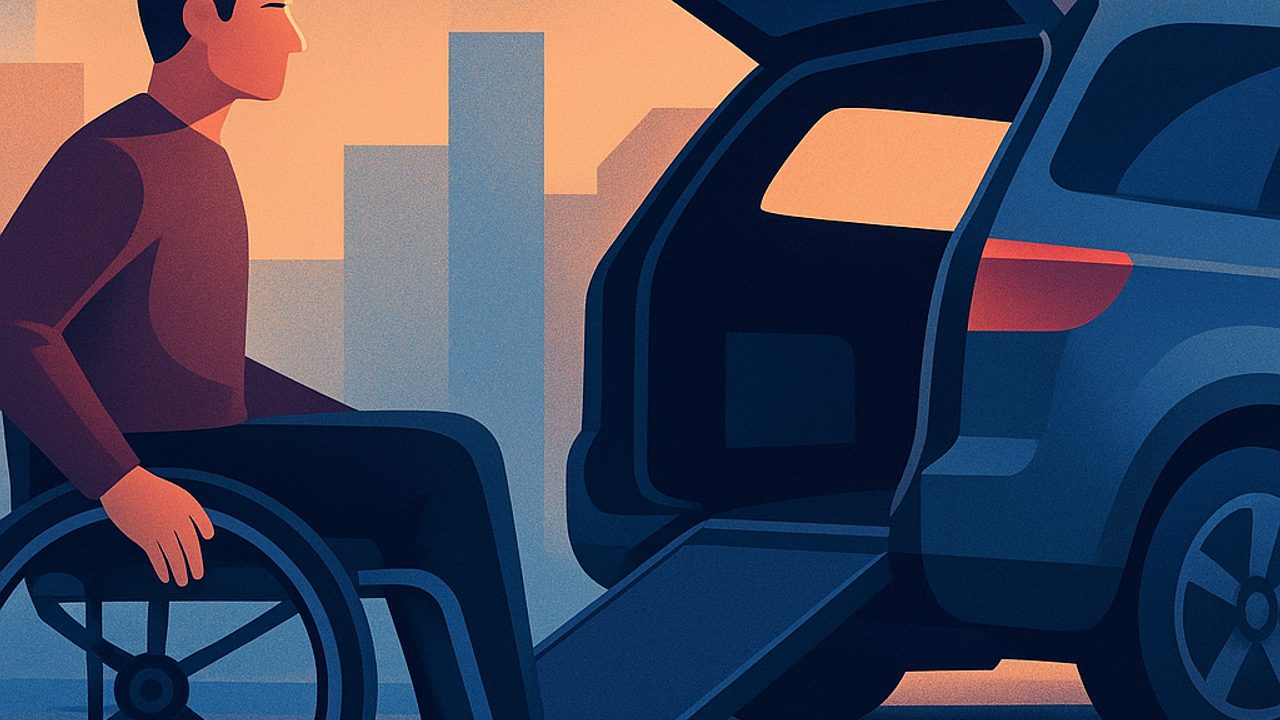
Adapted vehicles increase the autonomy of many people with disabilities or reduced mobility. In the Brazilian urban context, they also need to deal with uneven sidewalks, contested parking spaces, and short routes full of stops.
The most common mistakes are not only in the purchase, but in daily use and lack of planning. Below is an overview of the main types of adaptations and three recurring pitfalls — with practical ways to avoid each one.
Most common types of adaptations in Brazil
Adaptations vary according to the user’s needs and the role of the vehicle in the urban routine. Among the most common are:
- **Hand controls**: accelerator and brake operated by the hands, with different grip options. - **Automatic transmission and steering knob**: make maneuvering easier in heavy traffic. - **Lifting platforms or ramps**: allow wheelchair access. - **Swivel or lowered seats**: reduce effort during transfers. - **Wheelchair fixation and anchoring**: safety on short and long trips.
Each solution addresses a specific problem. Combining adaptations without evaluating the overall urban use often leads to frustration.
Pitfall 1: adapting without considering the urban environment
It is common to focus on the interior of the vehicle and forget where it circulates and parks. Narrow streets, tight parking spaces, and uneven sidewalks directly impact the choice of adaptation.
Warning signs:
- Door or ramp that requires lateral space rarely available on neighborhood streets. - Vehicle height incompatible with garages and covered parking. - Difficulty disembarking in places without curb ramps.
**How to avoid it**: observe the most frequent routes, test access in different scenarios (street, grocery store, health clinic), and prioritize solutions that work even when infrastructure fails.
Pitfall 2: prioritizing the equipment and forgetting the person
A technically correct adaptation may be unsuitable for the person who uses it. Posture, strength, reach, and reaction time change over time and with the type of urban travel.
Common problems:
- Hand controls that cause fatigue in traffic jams. - Poorly positioned seats that hinder visibility at intersections. - Platforms that are too slow for quick stops.
**How to avoid it**: fine-tuning is as important as installation. Practical tests in real traffic help reveal discomforts that do not appear in the workshop.
Pitfall 3: neglecting maintenance and periodic adjustments
In the city, adapted vehicles suffer from potholes, speed bumps, and intense use. Small misalignments turn into major barriers.
Critical points that require attention:
- Play or looseness in hand controls. - Worn locks and anchoring belts. - Sensors and electrical systems exposed to moisture.
**How to avoid it**: create a simple routine of visual and functional checks. Preventive adjustments preserve safety and avoid unexpected interruptions to mobility.
Extra care for urban accessibility
Beyond the pitfalls, some practices enhance daily inclusion:
- Planning possible, not ideal, boarding and disembarking locations. - Training drivers and companions to use the adaptations correctly. - Respecting weight and speed limits of platforms.
These details reduce stress and increase predictability in daily travel.
When adaptation aligns with the city
An adapted vehicle works best when it recognizes the city’s shortcomings and anticipates them. Thinking about urban accessibility means accepting that not every parking space will be accessible, and not every sidewalk will help.
Avoiding the most common pitfalls involves realistic choices, continuous adjustments, and attention to everyday use. This way, the vehicle stops being merely adapted and becomes, in fact, accessible.
Comments
Comments are public and the sole responsibility of the author. Don’t share personal data. We may store technical signals (e.g. IP hash) to reduce spam and remove abusive, illegal, or off-topic content.