
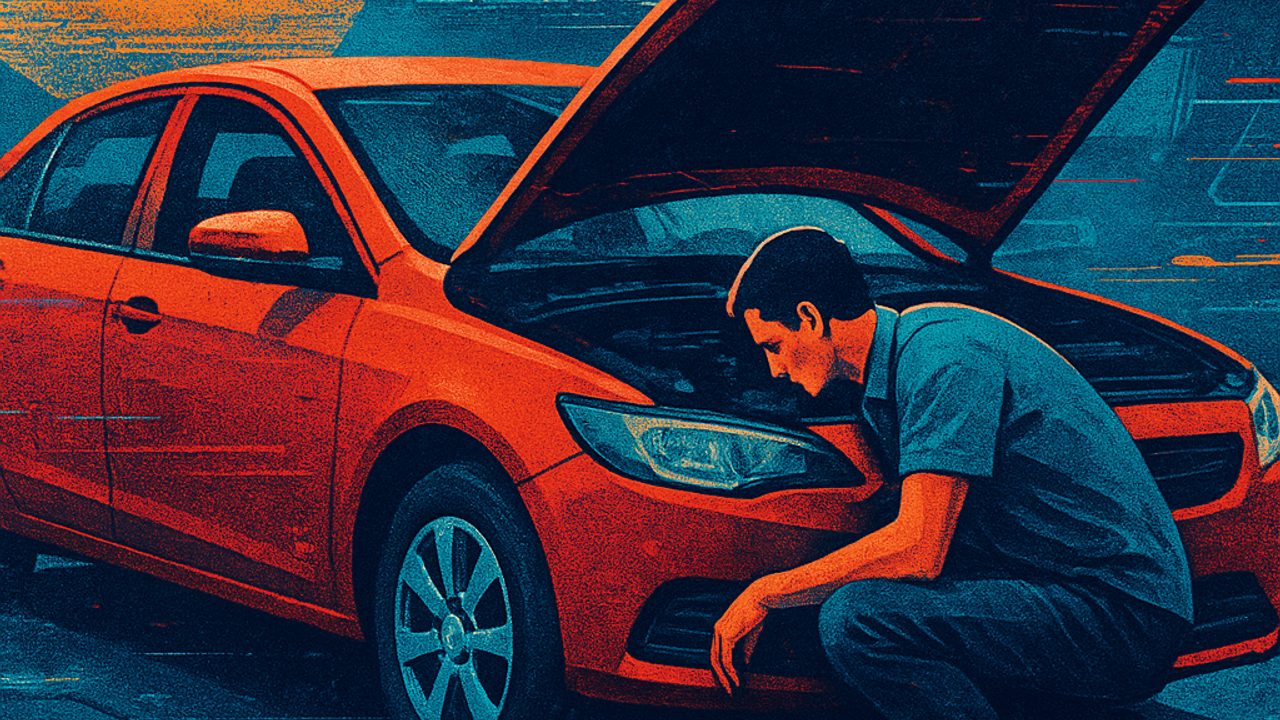
Cars parked for weeks can show subtle changes that affect safety on the first drive. The battery, tires, brakes, and fluids are the most sensitive points to downtime.
This step-by-step guide helps beginners resume vehicle use with caution, starting with simple checks and moving on to more attentive care, always prioritizing safety.
Before starting: quick visual inspection
Start with a walk around the car. This check takes just a few minutes and can prevent surprises.
- Look for puddles on the ground (a sign of leaks). - Check whether the tires look underinflated or deformed. - Make sure there are no objects, leaves, or nests near the wheels and the exhaust. - See if doors, hood, and trunk open and close normally.
Battery and starting: pay attention to the first signs
After weeks parked, the battery may lose charge. When starting the car, stay alert.
- If the engine cranks slowly or the panels flicker, stop and assess. - Avoid repeatedly trying to start the car. - Check whether warning lights remain on after the engine is running.
If the start is normal, keep the engine running for a few minutes before driving off.
Tires and wheels: safety starts with contact with the ground
Tires lose pressure over time, even without driving. This affects stability and braking.
- Inflate the tires according to the vehicle’s recommendation. - Look for visible cracks, bulges, or deformations. - Check the spare tire in case you need it in an emergency.
Brakes: gradual testing before picking up speed
Discs and drums can develop a thin layer of oxidation when the car sits unused.
- In the first few meters, brake lightly to feel the response. - Light noises may disappear after a few gentle braking applications. - If the pedal feels very hard, very low, or vibrates intensely, be extra cautious.
Fluids and visibility: details that make a difference
Some simple items directly influence safety.
- Check the engine oil level and the coolant. - Top up the windshield washer reservoir. - Test the wiper blades and see if they clean without streaking. - Adjust mirrors and seat before driving.
Lighting and signals: see well and be seen
Lights can burn out even while the car is parked.
- Test low beams, high beams, turn signals, and brake lights. - Check the operation of the reverse light. - Preferably do this check with someone assisting.
First kilometers: reinforced defensive driving
When returning to your routine, adopt an even more conservative approach.
- Avoid hard acceleration and high speeds at the beginning. - Pay attention to noises, smells, or dashboard alerts. - Keep a greater distance from the vehicle ahead.
This initial period helps the car return to normal operation and allows you to identify any out-of-the-ordinary behavior more safely.
Comments
Comments are public and the sole responsibility of the author. Don’t share personal data. We may store technical signals (e.g. IP hash) to reduce spam and remove abusive, illegal, or off-topic content.