
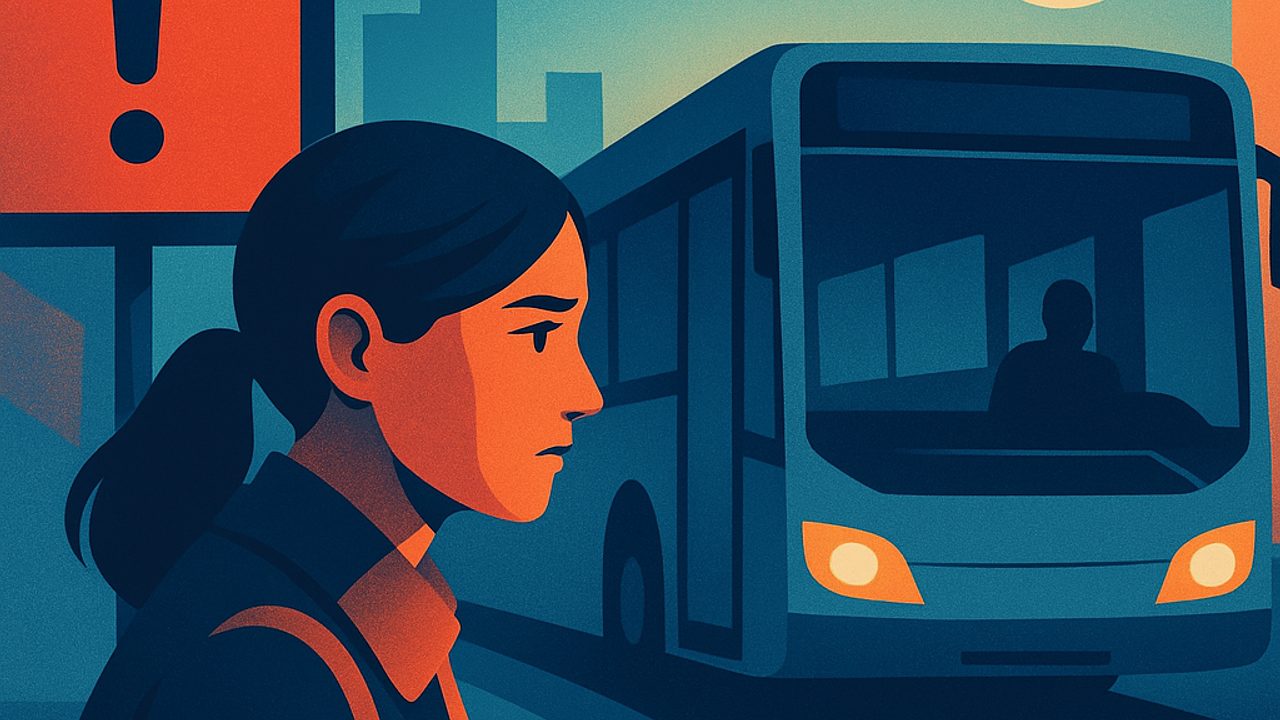
Waiting too long for a bus, train, or subway is more than an inconvenience. In urban areas, standing still often comes with distraction, haste, and poorer choices — a combination that weighs on safety.
Some warnings appear in daily life and go unnoticed. When recognized, they allow simple adjustments: changing the stop, the time, or the way you track the trip.
Sign 1: crowded stops with no visible information
When the platform or stop fills up and no one knows how long it will take, the clock seems to run faster. Uncertainty prolongs the wait and creates crowding, pushing, and distraction with the phone.
What to do in practice: - Prioritize stops with arrival displays or good visibility of the route. - Position yourself where you can see vehicles arriving, not pressed against the crowd. - If the place usually gets crowded, arrive a few minutes earlier or use an earlier stop along the route.
Safety front and center
Crowding increases the risk of falls, theft, and conflicts. A small detour can reduce waiting time and make boarding more controlled.
Sign 2: frequent delays during peak hours
When delays become the rule at the same time, it’s not an exception. The cascade effect appears quickly: packed vehicles, rushed boarding, and impulsive decisions, such as crossing outside the crosswalk to avoid missing the ride.
How to reduce time loss: - Try leaving 10 to 15 minutes before or after the most critical peak. - Observe days of the week: some time slots vary significantly between Monday and Friday. - Combine short modes (walking or cycling) to reach a more reliable corridor.
Less rush, less risk
Stepping outside the peak reduces pushing, running, and dangerous crossings. The safety gain usually makes up for a few minutes of routine adjustment.
Sign 3: constant platform or stop changes
Last-minute changes confuse people, extend waiting times, and cause many to move in a hurry through congested areas.
Helpful actions: - Pay attention to audio and visual announcements before moving. - Avoid running across tracks or roads; wait for confirmation. - If changes are frequent, map the area in advance and choose where to wait.
Simple habits that save time every day
Beyond the signs, some habits reduce accumulated waiting: - Track operations in real time when available. - Keep alternative routes mentally noted. - Prefer well-lit locations with steady circulation.
Waiting less also means moving better
Reducing time standing still isn’t just about arriving faster. It’s about boarding calmly, choosing where to stand, and avoiding hasty decisions. In urban public transport, safety and time go hand in hand — and begin with attentive reading of the signs along the way.
Comments
Comments are public and the sole responsibility of the author. Don’t share personal data. We may store technical signals (e.g. IP hash) to reduce spam and remove abusive, illegal, or off-topic content.