
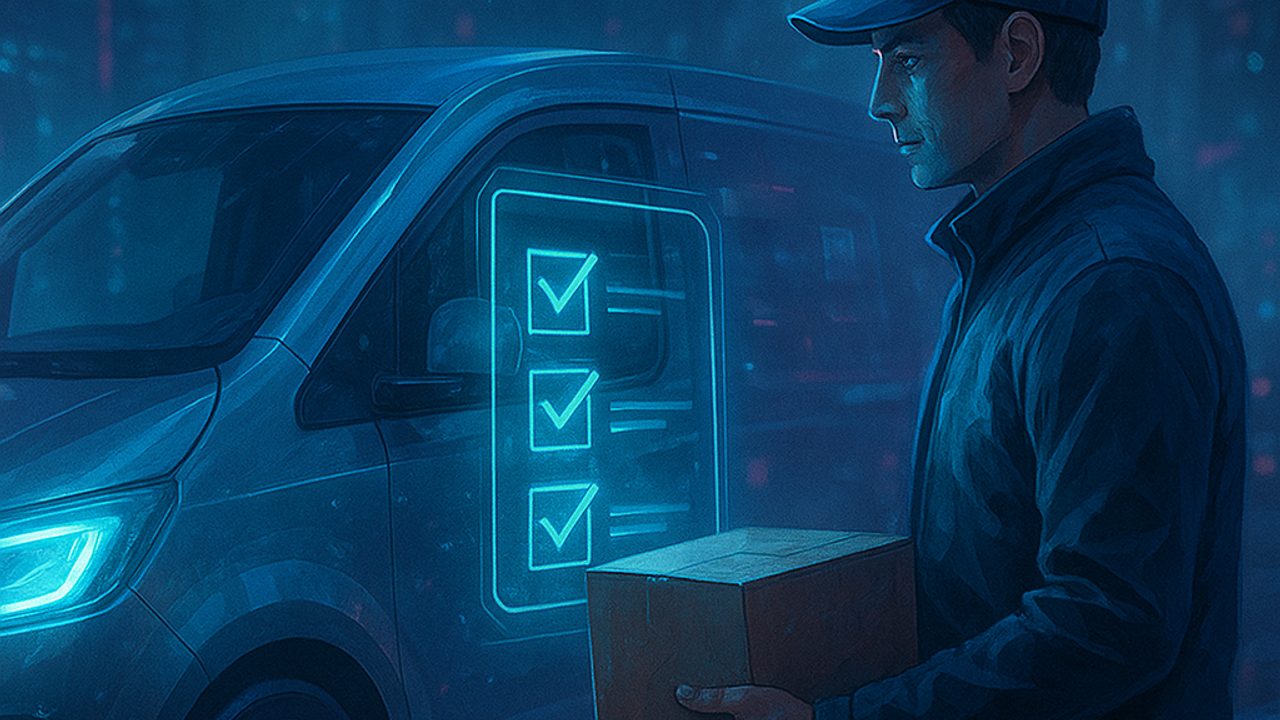
The last mile — the final stretch to your door — is where deliveries pollute the most. Vehicles stopping and starting, fragmented routes, and missed delivery attempts weigh on city air.
The good news: the general public influences this part of the system. A short checklist helps cut emissions without changing your life.
1) Consolidate orders and reduce urgency
Each separate order usually becomes an extra route. When you can wait and bundle purchases, the effect on emissions is direct.
- Prefer a single-package delivery option, even if it arrives a few days later. - Avoid splitting the cart out of anxiety: fewer “express shipments” means fewer urgent trips. - Plan replenishments (groceries, household items) in larger cycles.
Why it works
Consolidated deliveries increase vehicle load factors and reduce kilometers driven per delivered item — a classic efficiency gain.
2) Choose pickup points when possible
Home delivery isn’t always the most efficient option. Pickup points reduce stops and avoid returns.
- Lockers and pickup stores concentrate volumes at a single address. - Picking up on the way to work or another planned activity avoids an extra courier trip. - In apartment buildings, extended-hour front desks reduce failed attempts.
Why it works
Fewer stops and fewer “come back tomorrow” attempts mean less fuel consumption and fewer local emissions.
3) Prefer lower-impact windows and modes
Not all deliveries are equal. Some choices signal cleaner operations.
- If there’s a flexible time window, choose the widest one. - Opt for region-batched deliveries when available. - Value options that use bicycles, electric vehicles, or walking for the last mile.
Why it works
Wide windows enable optimized routes. Light modes cut local emissions and reduce noise and congestion.
Quick signals of a more sustainable delivery
Use this mini-checklist before finalizing your purchase:
- Can I wait and bundle orders? - Is there a pickup point on my route? - Is there a flexible window or low-impact mode option?
Small choices, urban impact
The last mile happens on the streets where we live. When many consumers make slightly better choices, the results show up in the air, traffic, and noise. It’s sustainability applied to everyday life — no heroics, just common sense.
Comments
Comments are public and the sole responsibility of the author. Don’t share personal data. We may store technical signals (e.g. IP hash) to reduce spam and remove abusive, illegal, or off-topic content.