
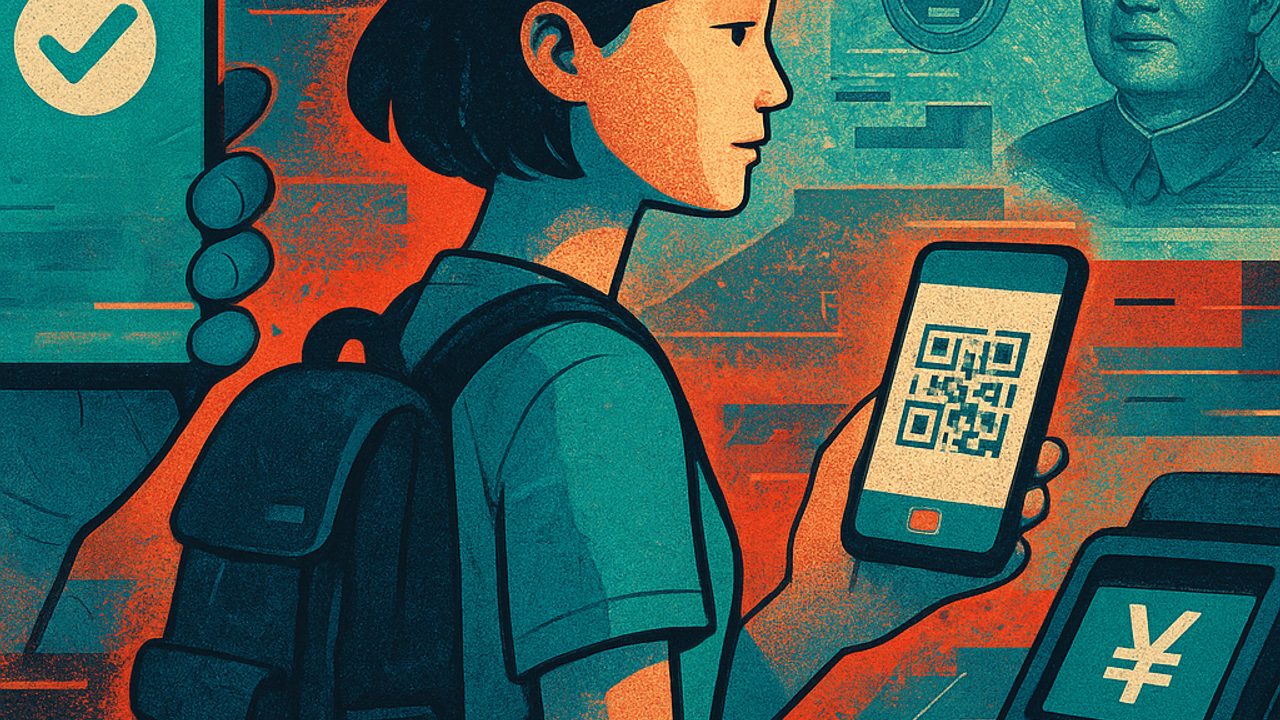
In China, physical cash has taken a back seat. For visitors, this is great news — as long as the basics are organized before leaving home.
With Alipay and WeChat Pay properly set up, you can pay for the subway, taxis, cafés, attractions, and even street stalls. Below is a concise checklist focused on planning and logistics, designed for a first trip.
Why prioritize Alipay and WeChat Pay
The two apps handle virtually all everyday payments. Even simple places often accept only QR codes.
Practical advantages: - Speed at checkout (scan, pay). - Less need to exchange cash. - Works for transport, restaurants, shops, and attractions.
For tourists, both allow use with international cards — as long as everything is activated in advance.
Item 1 — Create and verify accounts before the trip
Install both apps on your phone while still in Brazil. The process is smoother with stable internet and time.
Quick checklist: - Download Alipay and WeChat. - Create an account with email or phone number. - Complete the basic verification requested in the app.
Enable notifications. They help confirm payments and spot any declined attempts right away.
Which app should you use first?
If you want to keep things simple, prioritize Alipay. It is usually more straightforward for visitors and is widely accepted. Having WeChat Pay as a backup helps avoid surprises.
Item 2 — Link an international card and adjust limits
The most important step is adding a compatible international credit card. Not all cards work the same way, so it’s worth testing in advance.
Best practices: - Register the card and make a test transaction (when possible). - Check daily and per-transaction limits. - Enable authentication within the app itself.
Some small purchases may go through without noticeable fees; larger amounts may include automatic surcharges. This is normal for tourist use.
Item 3 — Plan everyday use (online and offline)
In daily life, payment is almost always via QR code. You can either scan the merchant’s code or show yours.
Logistics tips: - Keep the apps easily accessible on your home screen. - Learn where the “pay” button is before you need it. - Keep your phone charged (a power bank helps a lot).
In subways, convenience stores, and cafés, the process is identical — great for building confidence in the first few days.
Cash: how much to carry as a backup
Even though digital payments dominate, carry a small amount of cash for specific emergencies.
Use it as a backup for: - Older taxis in smaller cities. - Small unexpected fees. - Situations where your phone fails.
No need to overdo it: the trend is to use it less and less.
Before boarding: final checklist review
- Apps installed and logged in. - International card linked and tested. - Notifications enabled. - Power bank in your backpack.
With this sorted out, payments stop being a concern and become a natural part of the trip. China becomes much simpler when checkout isn’t an obstacle.
Comments
Comments are public and the sole responsibility of the author. Don’t share personal data. We may store technical signals (e.g. IP hash) to reduce spam and remove abusive, illegal, or off-topic content.