
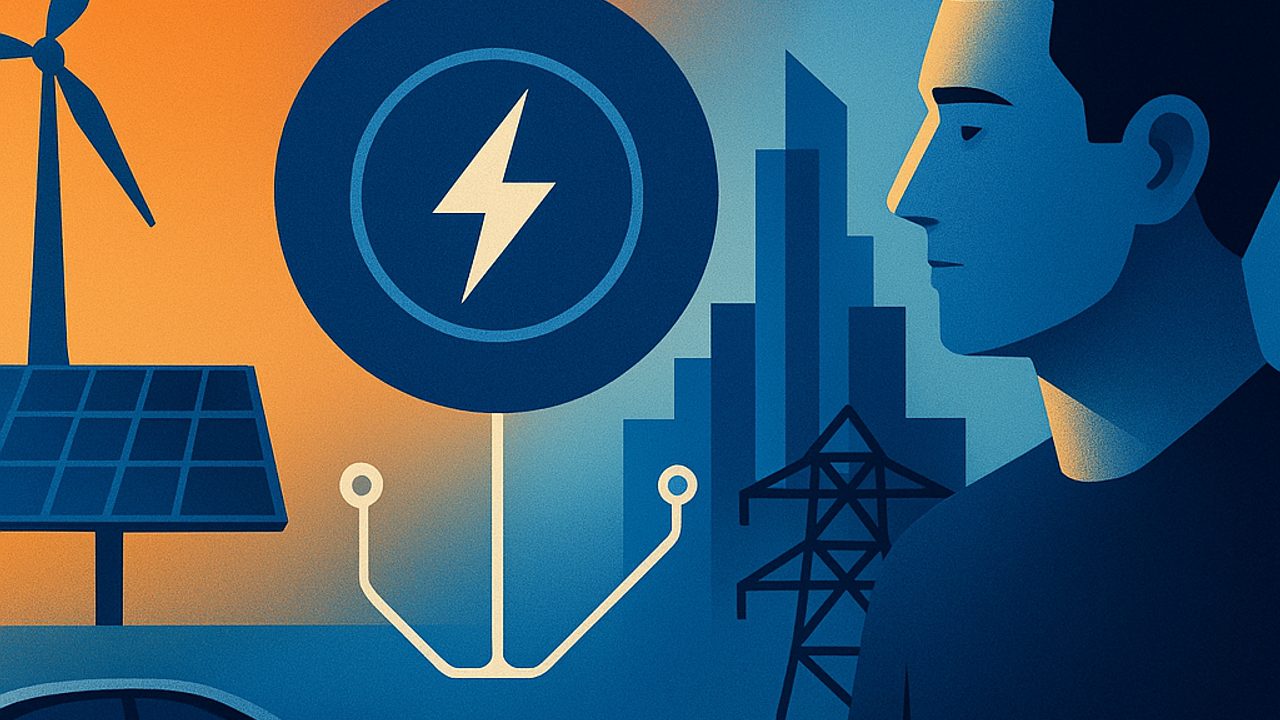
Electric power has always arrived ready at the outlet, with almost no interaction with those who consume it. Smart grids change this game by turning the grid into something more attentive, flexible, and connected to everyday life.
In Brazil, this change is happening gradually, mixing new technologies with old habits. Understanding the basics helps use energy better, integrate renewable sources, and avoid surprises on the bill.
What changes when the grid becomes “intelligent”
In a traditional grid, energy flows one way: from the power plant to homes. In a smart grid, communication goes both ways. The grid starts to “see” consumption almost in real time and react to it.
In practice, this allows: - Automatic adjustments to avoid overloads - Fewer interruptions and faster recovery after failures - Integration of small renewable sources spread across the city
Smart meters: the starting point
The smart meter replaces the old electricity meter. It records consumption in greater detail and sends information to the utility without manual reading.
What changes for consumers
With this meter, it becomes easier to: - Identify times of higher usage - Compare days and months accurately - Prepare the ground for tariffs that vary throughout the day
Even when consumers do not yet see all this data, the meter already helps the grid operate better.
Consumption throughout the day: energy at the right time
Smart grids make it possible to work with different prices and incentives depending on the time of day. The idea is simple: encourage use when the grid has more capacity and discourage it during critical moments.
Common examples: - Scheduling the washing machine outside the evening peak - Charging devices when more renewable energy is available
This does not require radical changes, but small routine adjustments.
Renewables gain space in the grid
Rooftop solar energy and small wind farms only work well with a grid capable of dealing with variations. Sun and wind change quickly, and the smart grid helps balance supply and demand.
It does this by: - Better distributing locally generated energy - Reducing losses along the path to consumption - Working together with batteries and other support systems
Electric cars and new uses of energy
Charging electric vehicles is a good example of both challenge and opportunity. Many cars plugged in at the same time can strain the grid.
With smart grids, it is possible to: - Encourage charging outside peak hours - Adjust power levels according to grid conditions - Integrate the car with systems that include solar energy and storage
Privacy, security, and trust
A common question concerns consumption data. Smart grids handle detailed information, and this requires care.
In the Brazilian debate, the most cited points are: - Protection against unauthorized access - Use of data only for operational purposes - Reliability of digital systems
These issues go hand in hand with the expansion of the technology.
What is already a reality in Brazil — and what lies ahead
Smart metering projects, grid automation, and renewable integration already exist in several regions, even if at different paces. The transition does not happen all at once.
The advancement of smart grids tends to be gradual, following investments, electricity sector regulations, and the adoption of new consumption habits. For those just starting, understanding these concepts is the first step toward using energy in a more conscious way and aligned with the future.
Comments
Comments are public and the sole responsibility of the author. Don’t share personal data. We may store technical signals (e.g. IP hash) to reduce spam and remove abusive, illegal, or off-topic content.