
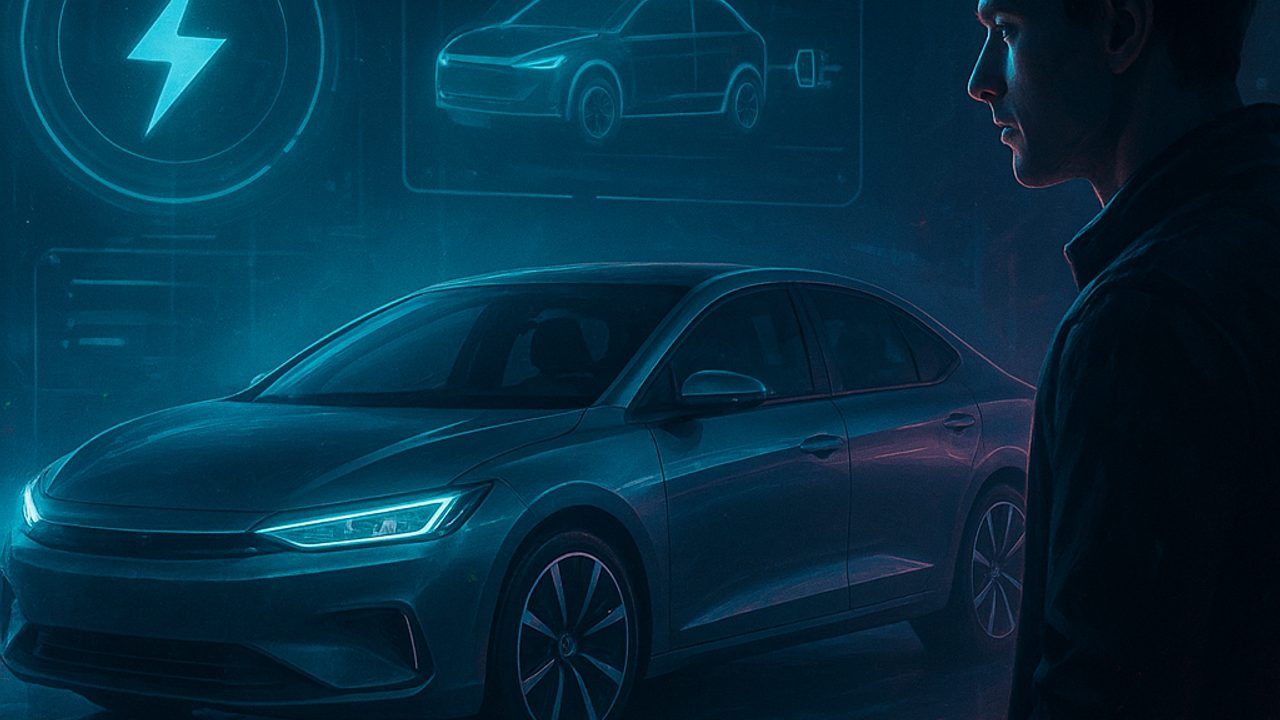
Hybrid has become an umbrella term. In practice, there are three very different technologies sharing the roads: mild, full, and plug-in. They change how you drive, how you refuel or recharge, and also how you take care of safety.
For those just getting started, confusing these systems is common — and it can lead to wrong expectations, improper use, and even daily scares. Below is a straightforward comparison, with real examples and special attention to the limits of each one.
Mild hybrid (MHEV): discreet assistance, no change in habits
The mild hybrid uses a small electric motor to support the internal combustion engine. It does not move the car on its own. The driving feel is almost the same as a traditional car.
What really changes: - Smoother starts in stop-and-go traffic - Small assistance during acceleration - Faster, less jerky start-stop system
In terms of safety, the key point is predictability. There is no prolonged silent electric mode and no external charging. For those coming from combustion vehicles, adaptation is almost immediate.
Important limits: - Lower fuel savings than other hybrids - Does not drive in electric mode - Benefits depend heavily on urban traffic
Full hybrid (HEV): it already drives on electric — and that changes the game
In a full hybrid, the electric motor can move the car on its own for short distances and at low speeds. The transition between electric and combustion happens automatically.
In practice, this brings two direct effects: - More silence during maneuvers and slow traffic - Lower urban consumption, especially in congestion
Pay attention to silence at low speeds
Here comes a little-discussed safety point. In garages, parking lots, and quiet streets, the car may be moving with almost no noise. Pedestrians and cyclists do not always notice it.
Good practices help: - Double attention during maneuvers - Do not rely only on the car’s sound - Use visual alerts and respect speed limits
Limits of the full hybrid: - Small battery, no external charging - Short electric range - Lower efficiency on highways
Plug-in hybrid (PHEV): electric for daily use, combustion as backup
The plug-in is the closest to an electric car. The battery is larger and can be charged from an outlet. On urban trips, it is possible to drive many kilometers without turning on the combustion engine.
Real advantages: - Daily electric use, with charging at home or work - Less noise and vibration - Flexibility for long trips
Where the main risk for beginners lies
The plug-in requires a change in routine. Without frequent recharging, the car becomes a heavy hybrid with worse consumption.
From a safety perspective: - Planning recharging avoids driving with a very low battery - Cables and outlets must be in good condition - Never improvise extensions or adapters
Quick comparison: where each one makes the most sense
- **Mild hybrid**: for those who want simplicity and do not intend to change habits - **Full hybrid**: for intense urban use, focusing on comfort and efficiency - **Plug-in hybrid**: for those who can recharge frequently and want to drive more on electric
In all cases, the usage profile matters more than the spec sheet.
Safety beyond technology: the human factor
Regardless of the type of hybrid, some precautions are common: - Know the car’s driving modes - Understand when the vehicle is electric or combustion - Keep maintenance up to date, including high-voltage systems
Hybrids are not just “economical” cars. They are vehicles with different behaviors that require attention and learning. When used within their limits, they deliver comfort, efficiency, and a safer experience for those starting this transition.
Comments
Comments are public and the sole responsibility of the author. Don’t share personal data. We may store technical signals (e.g. IP hash) to reduce spam and remove abusive, illegal, or off-topic content.