
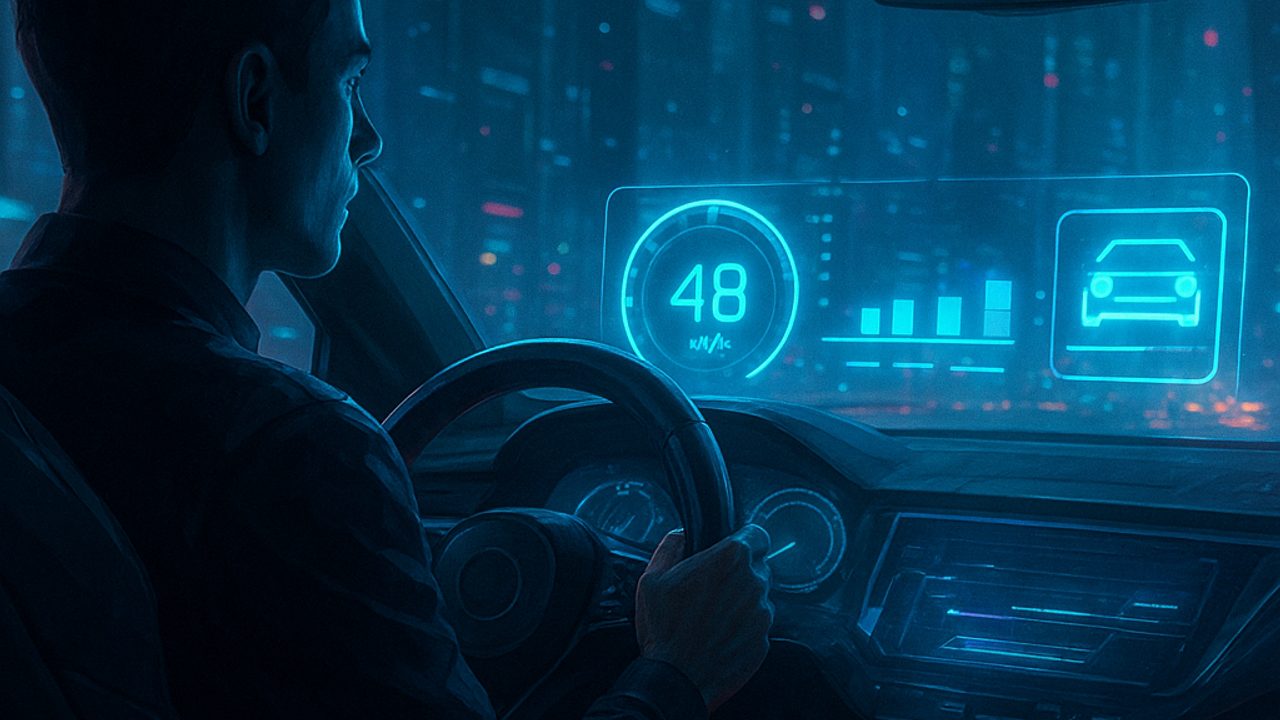
Telemetry has become a common word, but it still seems distant for those who drive in the city. In practice, it comes down to observing objective driving signals and adjusting habits before risk appears.
In urban use, less is more. Three well-chosen measurements help reveal patterns, correct excesses, and gain predictability in heavy traffic.
What to consider before measuring
For the general public, urban telemetry usually comes from vehicle apps, smartphones, or simple onboard systems. It’s not about monitoring every second, but about tracking trends.
Before you start, combine two precautions:
- Always compare similar trips (same neighborhood, time, and type of road). - Look at weekly averages, not a single day.
1) Hard braking: the thermometer of anticipation
Hard braking is one of the most direct indicators of urban risk. It usually appears when there’s a lack of traffic flow reading, safe distance, or attention to intersections.
How to interpret it day to day
- Frequent spikes on familiar streets indicate excessive speed for the context. - Braking concentrated at intersections suggests late approach.
Practical adjustments
- Reduce speed earlier, not right at the event. - Watch traffic lights and crosswalks from a block away. - Keep extra space on roads with buses and motorcycles.
2) Rapid acceleration: hurry that turns into risk
Hard starts and strong accelerations are common in urban traffic, but when accumulated they increase conflicts and reduce reaction time.
Where this data helps most
- Leaving traffic lights. - Lane changes on congested avenues.
What to look for in telemetry
- Fewer spikes and more progressive acceleration. - Consistency from one trip to another.
3) Average speed by segment: context matters
It’s not the top speed that teaches the most, but the average on specific segments. It shows whether the pace matches the urban environment.
Smart reading
- High averages in residential areas are a warning, even without tickets. - Very low averages with many abrupt events indicate poorly read flow.
Possible adjustments
- Match the pace to the type of road, not just the time of day. - In crowded corridors, prioritize consistency instead of gaining meters.
How to use the checklist without complicating your routine
The idea is simple: once a week, look at the three indicators together. They complement each other and tell the story of urban driving.
A practical example:
- Many hard brakes + strong accelerations: lack of anticipation. - High average speed + few brakes: silent risk in sensitive areas.
Telemetry as support, not pressure
In city traffic, safety comes from predictability. Telemetry helps reveal what the eye gets used to ignoring.
With three basic measurements, it’s already possible to adjust the way you drive, reduce scares, and make each urban trip more manageable.
Comments
Comments are public and the sole responsibility of the author. Don’t share personal data. We may store technical signals (e.g. IP hash) to reduce spam and remove abusive, illegal, or off-topic content.