
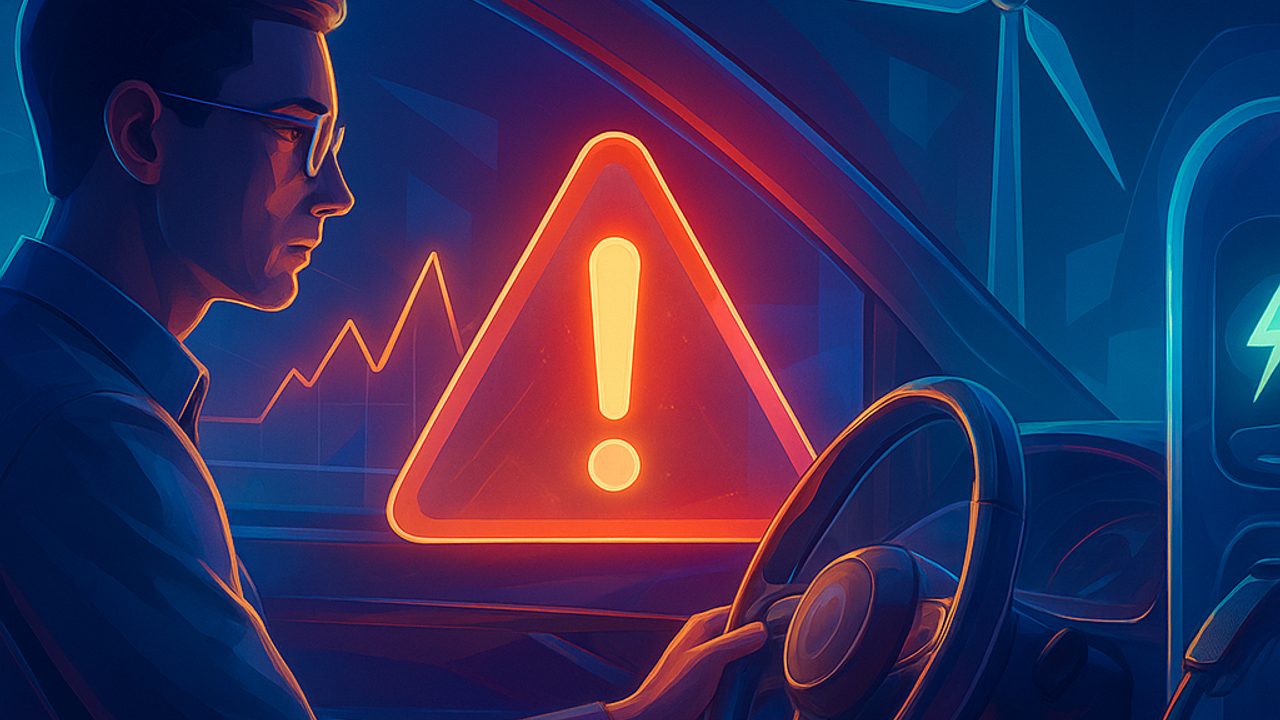
Demand management during peak hours is a central topic when discussing efficient energy use and the transition to renewable sources. In Brazil, where the energy mix is predominantly clean, the challenge is not only generating energy, but using it at the right times.
For those just starting out, identifying warning signs helps avoid waste, system overload, and indirect costs. Below are essential concepts and three clear signs that demand management deserves attention.
What are peak hours and why they matter
Peak hours are the period of the day when electricity consumption reaches its highest levels. In Brazil, this usually occurs in the early evening, when households, businesses, and services use energy at the same time.
This peak puts pressure on the power grid, requires the activation of less efficient sources, and makes it harder to integrate variable renewables such as solar and wind. For this reason, managing demand — not just supply — is an important part of the renewable energy agenda.
Sign 1: consumption concentrated at the same times
When almost all electrical activities take place during peak hours, this is a first warning sign. It indicates little flexibility in energy use.
Common examples include: - Simultaneous use of high-consumption equipment in the early evening - Electric vehicle charging always during peak hours - Production processes with no schedule variation
What to do in this case
Mapping consumption habits is the first step. Whenever possible, shifting tasks outside peak hours — such as scheduling equipment or charging for late night — helps relieve the grid and supports the use of renewable sources available at other times.
Sign 2: excessive dependence on the grid at critical moments
Another sign appears when there are no alternatives to reduce load during peak hours. This includes a lack of automation, insufficient monitoring, or the absence of complementary solutions.
This dependence increases system vulnerability and limits the benefits of renewable technologies already installed.
What to do in this case
Some initial actions include: - Using meters or apps that show consumption by time of day - Programming equipment with simple timers - Evaluating, in the future, solutions such as storage or hybrid systems, always with an informative and gradual approach
Sign 3: little alignment between consumption and renewable availability
In Brazil, solar generation is higher during the day, while residential consumption increases at night. When there is no adaptation to this logic, a mismatch arises between clean generation and effective use.
This sign is common in homes and companies that adopt solar energy but maintain the same consumption patterns as before.
What to do in this case
Adjusting routines to better take advantage of available energy is a possible path. Practical examples: - Bringing forward electrical uses to daytime hours - Synchronizing processes with times of higher local generation - Understanding that demand management complements renewable generation, it does not replace it
Positive impacts of more conscious demand management
When warning signs are observed and small adjustments are made, the effects go beyond the electricity bill. Benefits include: - Less pressure on electrical infrastructure - Greater use of renewable sources - Contribution to long-term system stability
Demand management as continuous learning
For beginners, it is important to view peak-hour demand management as a learning process. It is not about radical changes, but about understanding schedules, habits, and the role of each consumer in Brazil’s energy transition.
By recognizing warning signs and acting in an informed way, energy use becomes more aligned with a renewable, efficient, and resilient system.
Comments
Comments are public and the sole responsibility of the author. Don’t share personal data. We may store technical signals (e.g. IP hash) to reduce spam and remove abusive, illegal, or off-topic content.