
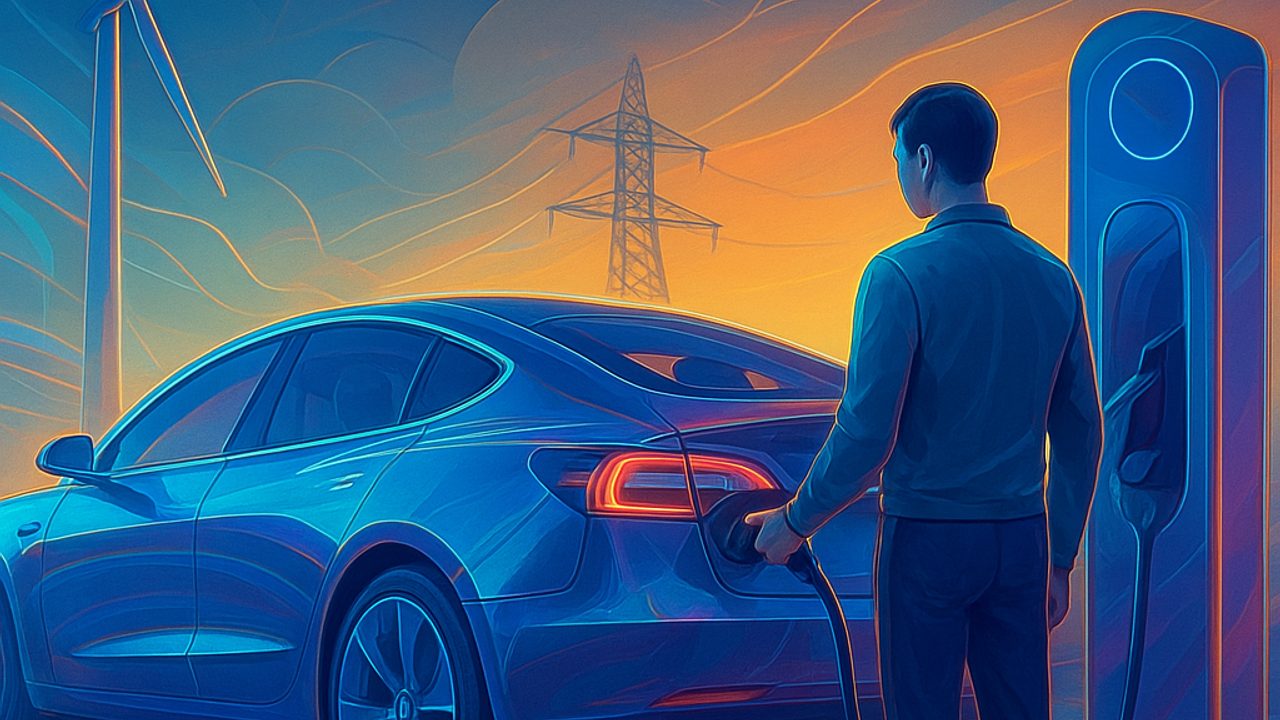
Before talking about charging electric vehicles, it is worth taking a step back and looking at the energy that feeds the outlet. In Brazil, the electric power matrix has its own characteristics that influence environmental impact, cost, and system stability.
This checklist brings together three essential items for beginners, with a practical focus and no jargon. The idea is to help you understand the basics before choosing daily charging habits.
1) Understand the Brazilian electric power matrix
The electric power matrix is the set of sources used to generate electricity in the country. In Brazil, it is mostly renewable, but it is not uniform over time nor the same in all regions.
Key points for beginners:
- Hydroelectric generation has a historical and relevant weight. - Sources such as wind and solar are growing rapidly, but vary according to climate and time of day. - In periods of drought or high demand, thermal power plants are activated, with greater use of fossil fuels.
For those who charge an electric vehicle, this means that how “clean” the energy is can change depending on the context of the electric system.
2) Observe the time when charging takes place
The timing of charging influences both grid demand and the energy source activated to meet it. During peak hours, the system usually operates closer to its limit.
Important aspects:
- Times of higher residential consumption tend to concentrate more load on the grid. - Outside peak hours, there is greater operational slack and, in many cases, greater participation of variable renewable sources. - Nighttime charging can relieve the system, depending on the region and time of year.
For beginners, the essential point is to realize that charging is not just “plugging into the outlet”, but choosing a moment more aligned with how the grid operates.
3) Differentiate power, time, and type of charging
Not all charging is the same. Understanding some basic concepts avoids common confusion among those who are starting out.
Quick checklist:
- **Power**: defines how fast the vehicle charges and how much it demands from the electrical installation. - **Charging time**: varies according to available power and battery level. - **Type of point**: residential, public, or semi-public, each with its own characteristics.
This distinction helps align usage expectations with the reality of the available infrastructure.
How charging connects to the energy transition
Electric vehicles are part of a larger system. When integrated into a cleaner and well-managed electric power matrix, they help reduce emissions in transportation.
In Brazil, the combination of renewable sources with more conscious charging habits tends to reinforce this role, especially as the grid becomes smarter and more diversified.
Common mistakes made by beginners
Some misconceptions frequently appear among beginners:
- Thinking that all electricity has the same environmental impact. - Ignoring the effect of charging time on the grid. - Confusing charging speed with energy efficiency.
Avoiding these points already puts the reader a few steps ahead in understanding the topic.
Final checklist for beginners
Before charging an electric vehicle in Brazil, it is worth confirming:
- I know which sources make up the Brazilian electric power matrix. - I have an idea of how charging time affects the system. - I understand the difference between power, time, and type of charging.
With these three items clear, the rest of the learning tends to flow with more confidence and fewer surprises.
Comments
Comments are public and the sole responsibility of the author. Don’t share personal data. We may store technical signals (e.g. IP hash) to reduce spam and remove abusive, illegal, or off-topic content.