
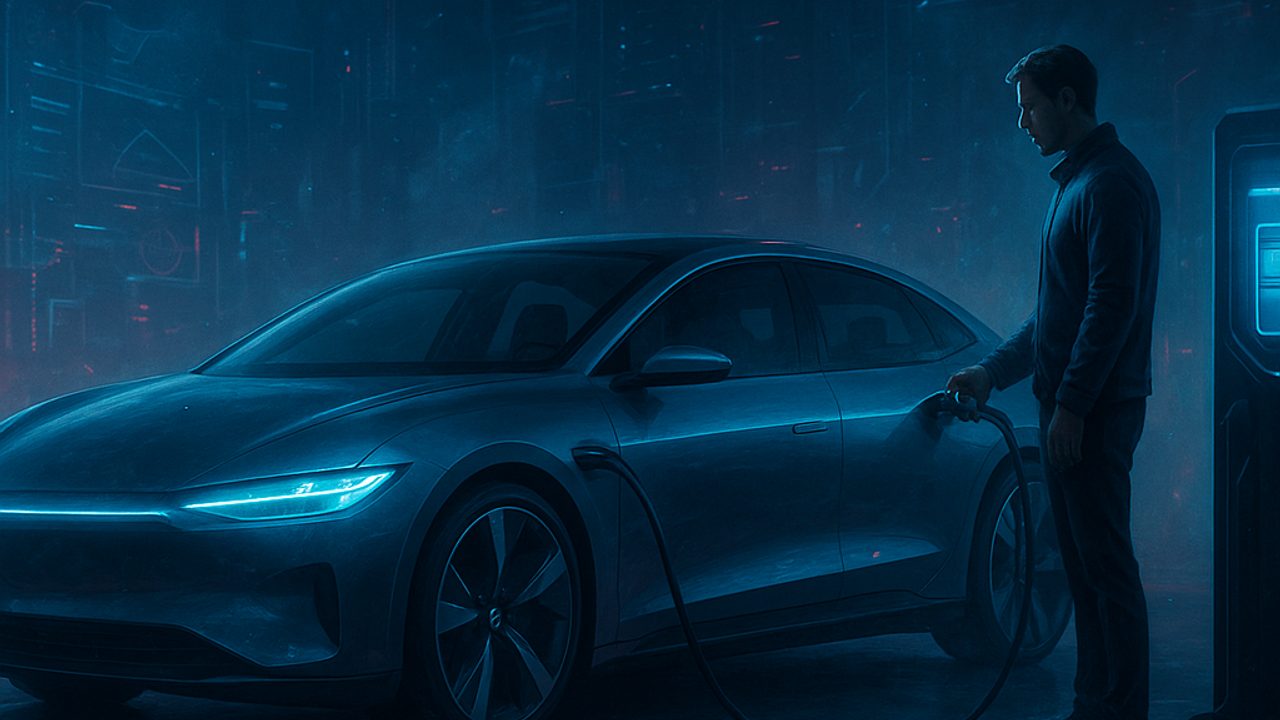
Getting into an electric car is usually exciting. Quiet driving, quick responses, and fewer trips to the shop. At the same time, practical questions arise: how far you can go, where to recharge, and what changes in terms of safety.
The comparison below focuses on real-world use, not spec sheets. It’s for those who want to understand advantages and limits before deciding — and for those who have already decided but want to drive with more peace of mind.
Real-world range: numbers that matter day to day
Declared range is a starting point, not a promise. In urban use, many EVs do well because they recover energy during deceleration. On the highway, the math changes.
Factors that weigh the most: - **High constant speed**: above 100–110 km/h, consumption rises quickly. - **Air conditioning and load**: intense heat, a full trunk, and extra passengers reduce range. - **Topography**: long climbs consume more; descents help, but don’t make up for everything.
To start safely, it’s worth planning as if usable range were **20–30% lower** than advertised. This buffer avoids rushed decisions when traffic or weather doesn’t cooperate.
Charging: home, street, and highway — what changes in practice
An EV doesn’t depend on a single type of charging. Each scenario has a different pace and set of precautions.
- **Standard household outlet**: it works, but it’s slow. Good for those who drive little and charge overnight, always with the electrical circuit in good condition. - **Wallbox**: speeds up charging and brings more predictability. Requires an electrical assessment and proper use to avoid overheating. - **Public chargers**: vary in power and reliability. Planning helps avoid arriving with a critically low battery.
In terms of safety, the rule is simple: **never improvise** cables, adapters, or extensions. Charging is routine, not a workaround.
Downtime is also planning
Refueling a combustion car takes minutes. With an EV, time is part of the decision.
In practice: - Slow charging pairs well with long parking periods. - Fast charging is useful on trips, but requires attention to battery heating.
Forcing successive fast charges is usually not the best scenario. Alternating speeds helps durability and reduces thermal risks.
Clear advantages for beginners
Some points work in the EV’s favor in the first few months: - **Predictable driving**: instant torque, no gear shifts. - **Less maintenance**: no engine oil, belts, or exhaust. - **Lower noise**: makes it easier to notice pedestrians and cyclists — as long as the driver stays extra attentive.
From an active safety standpoint, linear power delivery helps with control, especially on wet surfaces.
Limits that need to be factored in
The electric car is not a universal solution. There are limits that impact safe use: - **Uneven infrastructure**: outside major centers, planning needs to be more conservative. - **Greater weight**: requires extra attention during long braking and proper tires. - **Dependence on power**: home outages or failures at public stations call for a plan B.
Recognizing these limits avoids impulse decisions — like stretching the remaining range too far.
Basic precautions that make a difference in safety
Some simple habits reduce risks: - Keep **tires properly inflated** according to real use, not just the door sticker. - Avoid driving with a **very low battery** on a regular basis. - Pay attention to **temperature alerts** and dashboard messages. - Use **regenerative braking** progressively, especially on slippery surfaces.
These precautions are more behavioral than technical, but they make a big difference.
When an electric car makes the most sense
An EV usually works best for those who: - Have a predictable routine and a fixed place to recharge. - Drive mostly in the city or on familiar routes. - Prefer planning stops rather than deciding at the last minute.
For those who travel long distances without planning or rely on regions with limited infrastructure, an EV still requires extra adaptation. Understanding this from the start is part of making a safe choice.
Comments
Comments are public and the sole responsibility of the author. Don’t share personal data. We may store technical signals (e.g. IP hash) to reduce spam and remove abusive, illegal, or off-topic content.