
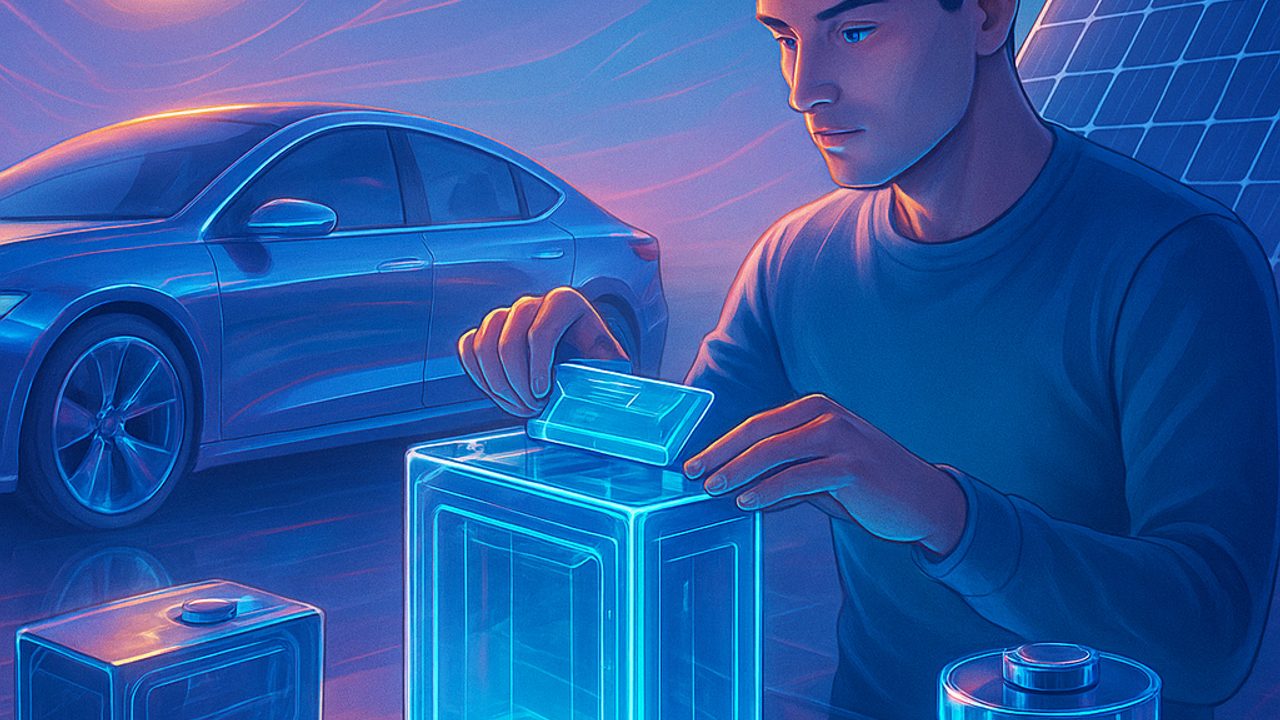
Storing energy is no longer something restricted to large power plants or experimental projects. In Brazil, batteries and hybrid systems are already part of the conversation for those thinking about solar energy, electrical safety, or waste reduction.
For beginners, the topic may seem too technical. The good news is that it is possible to understand the essentials by following a simple logic: why store energy, how it works, which technologies exist, and when each one makes sense.
Step 1: understanding why to store energy
Storage comes into play when production and consumption do not happen at the same time. This is common with renewable sources.
Some practical examples:
- Solar energy generates more during the day, but residential consumption usually increases at night. - In areas with frequent power outages, the battery acts as a backup. - In off-grid systems, the battery ensures electricity when there is no sun or wind.
In Brazil, storage is usually linked to three main goals: autonomy, safety, and better use of renewable generation.
Step 2: understanding the role of the battery in the system
The battery does not generate energy. It stores the surplus and delivers it when needed.
In simplified terms, the flow works like this:
- The renewable source (such as solar panels) produces energy. - Part of this energy is used immediately. - The surplus charges the battery. - When production drops or the grid fails, the battery comes into action.
This cycle repeats daily and defines wear, service life, and system efficiency.
Most common battery types used in Brazil
Not every battery is the same, and the choice affects cost, space, and maintenance.
The most common today:
- **Lead-acid**: older technology, lower initial cost, but takes up more space and has a shorter lifespan. - **Lithium-ion**: more compact, efficient, and durable, with a higher initial cost.
For beginners, the key point is not memorizing specifications, but understanding that lithium batteries tend to dominate new projects, while lead-acid ones still appear in simple or legacy systems.
Step 3: what a hybrid system is in practice
A hybrid system is one that combines more than one energy source or supply method.
In the Brazilian context, the most common hybrid involves:
- Solar energy - Conventional power grid - Batteries
In practice, the system automatically decides where the energy comes from:
- Prioritizes solar when there is sun. - Uses the battery at strategic times or during grid outages. - Falls back on the grid when necessary.
This does not mean total independence, but rather flexibility.
Step 4: basic sizing — without heavy math
Sizing means matching the battery size to the reality of consumption.
Simple questions help:
- Which equipment needs to keep running during a power outage? - For how many hours? - Is the goal total autonomy or just basic backup?
A common beginner mistake is trying to store everything. In most cases, it makes more sense to prioritize lighting, internet, the refrigerator, and a few essential devices.
Important considerations in the Brazilian context
Some local factors directly influence storage performance:
- High temperatures reduce battery lifespan. - Proper ventilation and installation are not minor details. - Power grid quality impacts charge and discharge cycles.
In addition, technical standards and utility requirements vary, reinforcing the importance of well-specified projects.
From intermediate to advanced: when the system evolves
Over time, storage systems can gain new functions:
- Real-time monitoring via apps. - Integration with consumption management and peak hours. - Modular expansion of batteries.
This evolution usually happens gradually. Starting simple, understanding how it works, and evolving as needed is the most common — and most sustainable — path in Brazil.
Storing energy is not just about technology. It is about making better use of what is already produced and preparing consumption for an increasingly renewable electrical system.
Comments
Comments are public and the sole responsibility of the author. Don’t share personal data. We may store technical signals (e.g. IP hash) to reduce spam and remove abusive, illegal, or off-topic content.