
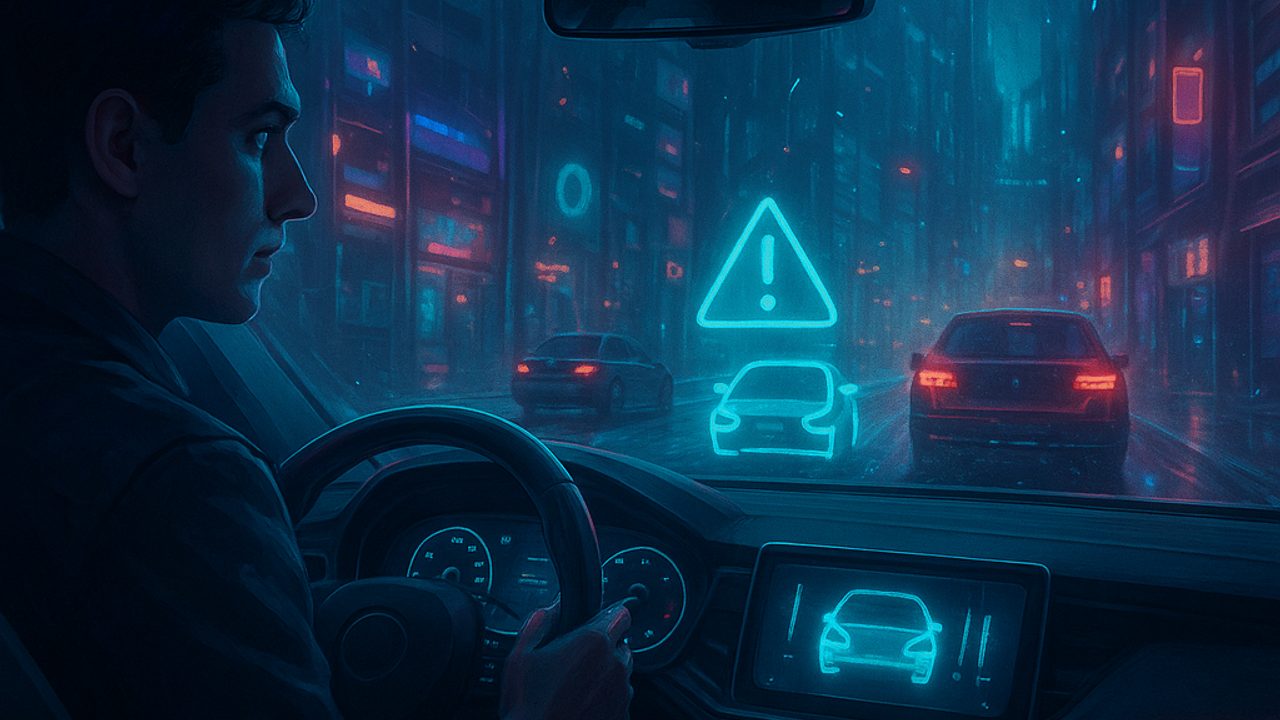
In the city, danger rarely comes from far away. It shows up at the rushed intersection, in the ignored rearview mirror, in the pedestrian who changes pace. For those just starting out, learning to read these signs prevents snap decisions.
Defensive driving is not about driving slowly; it is about driving prepared. Below are three typical urban alerts and what to do when they appear.
Sign 1: irregular flow and sudden changes around you
Cars braking without warning, motorcycles weaving, buses pulling out from stops. When the rhythm changes all the time, risk goes up.
What to do in practice
- Increase the distance from the vehicle ahead, even at low speed. - Vary your gaze: far (two blocks), mid-range (intersection), and near (lane). - Anticipate: if a bus signals, get your foot ready to slow down before braking.
Small anticipations prevent hard braking and minor collisions, the most common in the city.
Sign 2: confusing intersections and doubtful right of way
Covered signs, traffic lights out, narrow roads. Intersections are where attention needs to double.
What to do in practice
- Slow down before the corner, even if you have the right of way. - Seek eye contact with other drivers and pedestrians. - Move forward only when the situation is clear; a few extra seconds are worth the safety.
If in doubt, treat it as a mandatory stop. Haste usually comes at a high cost at this point.
Sign 3: internal and external distractions
Phone vibrating, lively conversation, dashboard calling for attention. The city offers too many stimuli.
What to do in practice
- Set everything before leaving: route, audio, ventilation. - If you need to use the phone, pull over in a safe place. - Take mental pauses: take deep breaths at long traffic lights to maintain focus.
Fragmented attention reduces reaction time — and in the city it is already short.
Quick adjustments that help every day
- Properly adjusted mirrors reduce scares with motorcycles and bicycles. - Seat and steering wheel in the correct position reduce fatigue and improve control. - Headlights on in heavy rain or tunnels increase visibility for others.
A key habit for beginners
Create the habit of mentally narrating the scene: “car braking,” “pedestrian on the right,” “light turning red.” This simple exercise keeps the brain active and ready to act without panic.
In the city, driving safely means reading signs early and responding calmly. When this becomes a habit, traffic stops being a constant threat and becomes a predictable environment.
Comments
Comments are public and the sole responsibility of the author. Don’t share personal data. We may store technical signals (e.g. IP hash) to reduce spam and remove abusive, illegal, or off-topic content.