
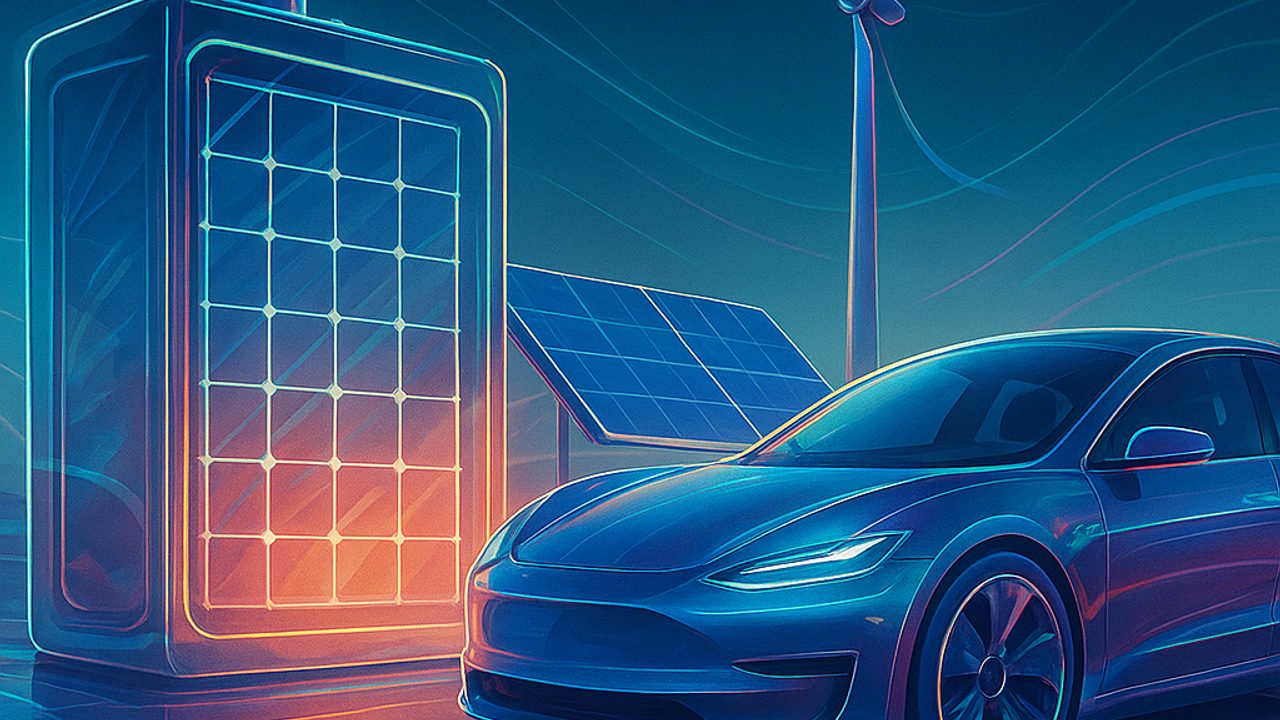
Energy storage has moved from talk to everyday practice for those dealing with solar, wind, and demand management. Batteries help reduce peaks, provide resilience, and make better use of distributed generation.
Even so, projects stumble due to rushed choices. In Brazil, the regulatory context, climate, and consumption profile require extra care. Three pitfalls appear frequently — and all of them can be addressed with simple technical decisions made at the right time.
Pitfall 1: sizing the battery without looking at the real usage profile
It is common to choose capacity based on installed power (kWp) or on generic “backup hours.” The problem is that storage responds to consumption, not to the panels.
When the hourly profile is not considered, batteries end up oversized (expensive and idle) or too small (over-cycling and aging quickly).
How to avoid this in practice: - Gather hourly load curves, including weekends. - Identify short peaks versus continuous loads. - Define the main objective: peak savings, backup, self-consumption, or all of them.
A business that closes at 6 p.m. needs a different logic than a residential building with a nighttime peak. It seems obvious, but it is still often ignored.
Pitfall 2: treating hybrid systems as a sum of parts
Battery, inverter, generator, and grid need to “talk” to each other. In hybrid systems, integration failures are more common than equipment defects.
Typical problems include incompatible inverters, poorly configured control strategies, and incorrect prioritization between grid and battery.
What to adjust before installation
- Confirm electrical and communication compatibility between components. - Define clear dispatch rules: when to charge, when to discharge. - Test grid failure and power return scenarios.
In Brazil, where voltage fluctuations and outages still occur, this integration makes a difference in system lifetime.
Pitfall 3: ignoring degradation, climate, and maintenance
Batteries are not static. They degrade with cycles, temperature, and depth of discharge. In hot regions, the impact is greater.
Projects that do not plan for ventilation, thermal control, or operating limits end up bringing forward battery bank replacement.
Practical points to avoid premature wear: - Respect recommended temperature ranges. - Avoid unnecessary recurring deep discharges. - Monitor cycles and adjust usage over time.
These precautions do not require sophisticated technology, just attention to the local context.
Where storage really helps the energy transition
When properly applied, storage smooths renewable intermittency and reduces pressure on the grid during peak hours. It also opens space for greater consumer participation in managing their own consumption.
In Brazil, this means better integration of distributed solar, preparing the grid for electrification, and using energy more intelligently — without technical shortcuts.
A simple criterion for better decisions
Before investing in or expanding a battery system, it is worth answering three direct questions: - What energy problem do I want to solve now? - For how long do I need the battery to be active? - How does this usage change throughout the year?
When these answers guide the project, the pitfalls become visible. And storage begins to fulfill its role in the energy transition, with less improvisation and more consistency.
Comments
Comments are public and the sole responsibility of the author. Don’t share personal data. We may store technical signals (e.g. IP hash) to reduce spam and remove abusive, illegal, or off-topic content.