
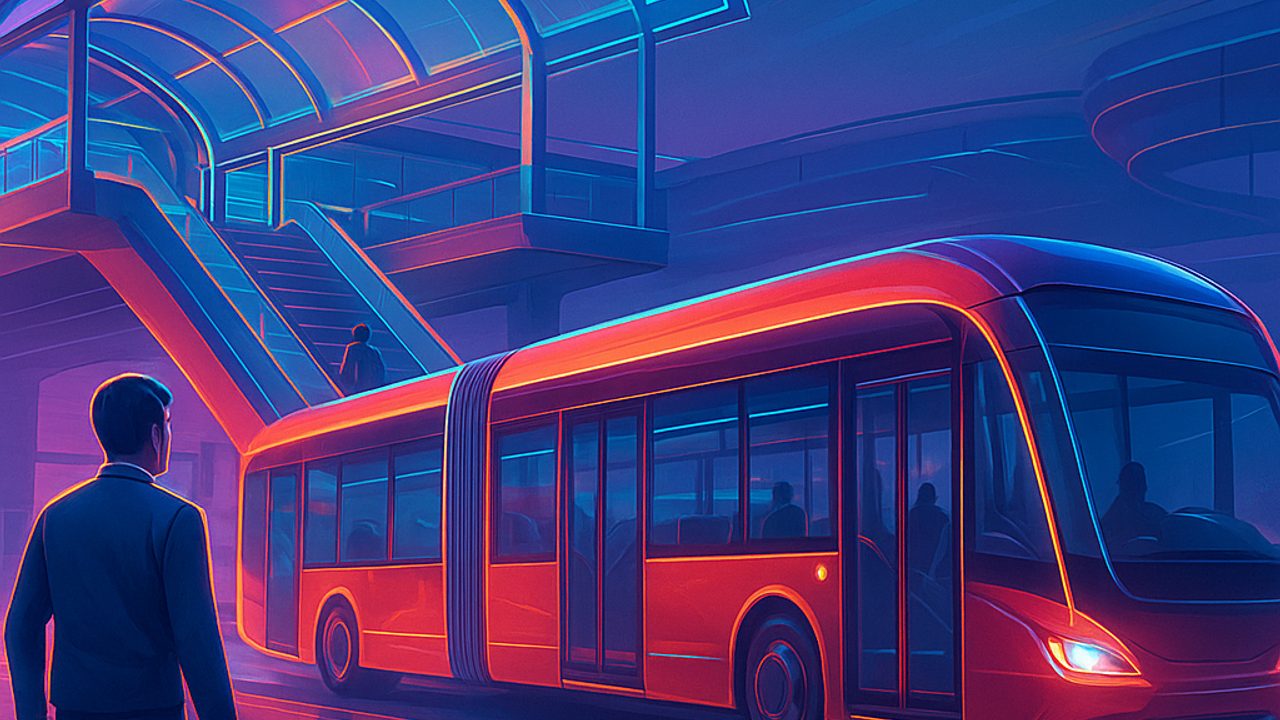
In large cities, terminals and integration systems are often presented as a solution for long and fragmented trips. In practice, they can reduce travel times and organize flows—provided the project considers road safety, capacity, and day-to-day operations.
This practical comparison discusses when integration makes sense, which gains are most common, and where the limits lie, with a focus on reducing risks for pedestrians, cyclists, and public transport users.
What terminals and integration are—and why they matter
Terminals concentrate boarding, alighting, and transfers between lines and modes. Integration allows changing vehicles without a new fare or with simplified rules, shortening the overall journey.
In large cities, the impact goes beyond time: a well-designed terminal organizes intersections, reduces traffic conflicts, and creates points of operational control. A poorly designed terminal, however, can concentrate risks and delays.
When integration actually reduces travel time
Integration tends to work best where there is high demand and hierarchical networks. Typical situations:
- Trunk corridors (BRT, metro, or rail) fed by local lines. - Long trips, in which the transfer reduces detours and overlaps. - Areas with recurrent congestion, where prioritizing public transport avoids unpredictable delays.
Without these elements, the transfer can become an additional cost in time and exposure to risks.
Road safety: the role of terminal design
Time savings are only sustainable if the terminal is safe. Key points of attention:
- Physical separation between pedestrians, cyclists, and vehicles. - Short, visible crossings with pedestrian priority. - Platforms aligned with vehicle floor level to reduce falls. - Continuous lighting and unobstructed visibility.
Common conflicts and how to avoid them
- **Buses maneuvering in pedestrian areas**: address with dedicated bays and one-way circulation. - **Informal motorcycle access**: control with physical barriers and operational enforcement. - **Crowding at peak hours**: size platforms and stairs for actual flows.
Modal integration: gains and limits in large cities
Integrating buses, rail, bicycles, and walking expands options, but requires spatial coherence. Frequent gains:
- Fewer dangerous crossings along the trip. - Reduction of dispersed stops on arterial roads. - Greater operational predictability.
Limits appear when distances between modes are large, signage is confusing, or waiting times are not coordinated.
Hidden costs: transfer and waiting time
Even without a new fare, transfers have non-monetary costs:
- Long walks within the terminal. - Uncoordinated waits between lines. - Exposure to crowded and noisy environments.
In safety terms, long waits increase the likelihood of risky behaviors, such as crossing outside marked crossings or competing for space.
When it makes sense to invest—and when to rethink
It makes sense to prioritize terminals and integration when:
- The network can be hierarchized without loss of coverage. - There is space for a safe and accessible design. - Operations can maintain coordinated headways.
It is worth rethinking when:
- Demand is low or highly dispersed. - The terminal creates major urban barriers. - Access depends on crossing high-speed roads without protection.
Practical checklist to assess an existing terminal
- Does the pedestrian cross fewer traffic lanes than before? - Are transfers intuitive without relying on verbal guidance? - Is there clear visibility between entrances, platforms, and exits? - Is waiting time predictable during peak hours?
Answering these questions helps determine whether integration is, in fact, reducing travel time with greater safety—or merely concentrating problems at a single point.
Comments
Comments are public and the sole responsibility of the author. Don’t share personal data. We may store technical signals (e.g. IP hash) to reduce spam and remove abusive, illegal, or off-topic content.