
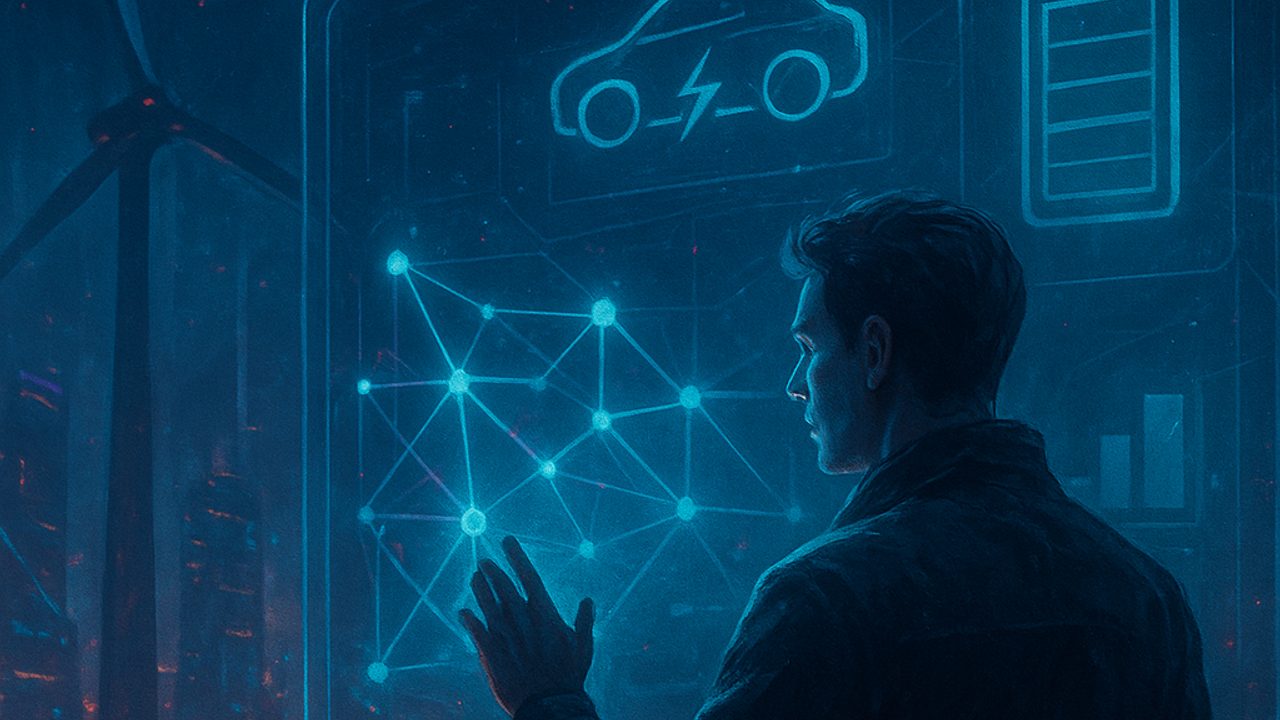
Smart grids make electricity more like the internet: two-way flow, real-time data, and faster decisions. For those just starting, the core idea is simple — using technology to balance consumption, generation, and the grid.
In Brazil, they gain importance because they help integrate distributed solar, reduce losses, and better handle demand peaks. Below are the essentials to understand how this shows up in practice.
What changes when the grid becomes “smart”
The difference is not just technological; it is operational. Instead of a grid that reacts after a problem, the smart grid anticipates and adjusts.
- More detailed measurement of consumption throughout the day. - Communication between consumers, utilities, and the grid itself. - Automation to isolate faults and restore power faster. - Room for variable renewable sources, such as solar and wind.
Smart meters: the point of contact with the consumer
The smart meter is the most visible item. It records consumption in shorter intervals and allows remote reading.
In practice, this opens the way to: - Understanding when the home or business consumes more. - Testing habits outside peak hours. - Reducing estimates and technical visits.
What it does not do on its own
Having the meter does not change the bill automatically. Without active time-of-use tariffs or changes in habits, the gain is informational, not financial.
Real-time data and better decisions
With data circulating, the grid can adjust voltage, predict overloads, and plan maintenance. For the electrical system, this means fewer outages and less waste.
For consumers, it means predictability. Knowing when consumption spikes helps organize equipment use and evaluate solutions such as simple automation or storage in the future.
Distributed renewables enter the game
Rooftop solar panels turn consumers into occasional producers. The smart grid coordinates this back-and-forth of energy.
Practical benefits: - Less local stress on the grid on very sunny days. - Better use of distributed generation. - A technical basis for tariffs better aligned with generation hours.
Time-of-use tariffs and demand response
Smart grids enable different prices throughout the day. The logic is to signal when energy is more expensive or cheaper to relieve the system.
In everyday life, this can become: - Doing laundry outside peak hours. - Charging electric vehicles at more favorable times. - Scheduling equipment with timers.
Limits and challenges in the Brazilian context
Implementation is gradual and uneven across regions. There are costs, standardization issues, and the need for consumer education.
In addition, smart grids do not replace investments in generation and transmission. They complement them, making energy use more efficient and compatible with the transition to renewable sources.
How to prepare without complication
Even without a smart meter installed, it is possible to start: - Mapping times of highest consumption at home or work. - Prioritizing efficient equipment. - Following initiatives from the local utility.
Smart grids are not a magic leap, but a continuous evolution. Understanding the basics helps consume better today and take advantage of changes already underway in Brazil.
Comments
Comments are public and the sole responsibility of the author. Don’t share personal data. We may store technical signals (e.g. IP hash) to reduce spam and remove abusive, illegal, or off-topic content.