
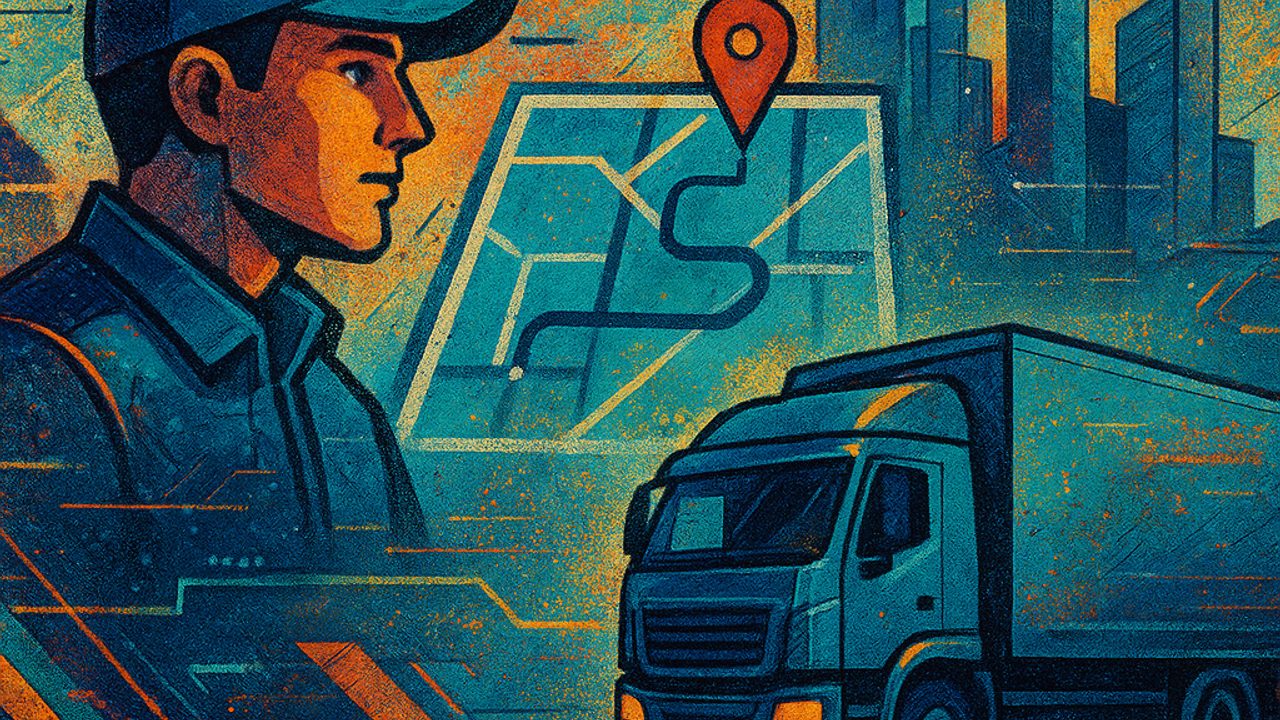
Urban logistics and the last mile share the same setting: congested roads, multiple modes, circulation restrictions, and constant competition for space and time. Small operational decisions make a big difference in the duration of urban deliveries and movements.
This practical guide brings together essential points for those who work in or depend on city logistics and want to reduce time losses without complicating operations.
Where time is lost in urban logistics
Before optimizing, it is important to recognize the most common bottlenecks in the urban environment:
- Routes planned without considering local peak hours - Poorly distributed stops or stops concentrated in critical areas - Excessive time spent searching for parking or loading and unloading areas - Re-deliveries caused by communication failures - Inappropriate use of the transport mode for the type of route
Identifying which of these points appear most frequently in operations helps prioritize simple and effective adjustments.
Route planning beyond the map
Saving time in the city does not depend only on the shortest path. Good urban planning considers:
- Peak traffic hours by neighborhood or road corridor - Days of the week with specific restrictions - Logical sequencing of stops, avoiding repeated crossings - Areas with a history of blockages, construction, or events
Routes that are slightly longer on paper can be faster in practice when they avoid critical points.
Delivery time windows as allies of time
Correctly defining delivery time windows is one of the factors that most impacts the urban last mile. When poorly set, they create waiting, re-deliveries, and queues.
Best practices include:
- Aligning windows with periods of lower local traffic - Avoiding overlap of deliveries in nearby regions - Allowing realistic buffers for loading and unloading - Reviewing windows based on actual service history
Well-distributed windows reduce idle time and improve operational flow throughout the day.
Choosing the right mode for each segment
Not every urban movement needs to be made with the same type of vehicle. Combining modes can save time when applied with clear criteria.
Consider:
- Smaller vehicles in high-density areas - Micromobility for short, repetitive routes - Load consolidation before entering central zones
The appropriate mode reduces maneuvering, facilitates stops, and lessens the impact of heavy traffic.
Efficient stops: fewer minutes, fewer delays
Stop time is often underestimated, but added up over the day it becomes one of the biggest villains of urban productivity.
To optimize:
- Standardize delivery and pickup processes - Share information with the recipient in advance - Reduce on-site verification time - Avoid improvised stops or stops outside permitted areas
Predictable and fast stops keep the route’s pace and prevent cascading delay effects.
Clear communication avoids rework
In the urban last mile, communication failures cost time. Incomplete addresses, vague instructions, or last-minute changes cause detours and re-deliveries.
Best practices include:
- Prior confirmation of address and access - Clear instructions about entrances and schedules - Simple updates in case of unforeseen events
Fewer doubts mean fewer extra stops and unnecessary movements.
Continuous adjustments based on daily urban reality
The city changes constantly, and urban logistics must keep up with this pace. Periodic reviews help keep operations efficient.
Evaluate frequently:
- Segments that have started to consume more time - Time slots that are no longer advantageous - Modes that are not performing as expected
Small, continuous adjustments usually generate more consistent time gains than large, one-off changes.
Comments
Comments are public and the sole responsibility of the author. Don’t share personal data. We may store technical signals (e.g. IP hash) to reduce spam and remove abusive, illegal, or off-topic content.