
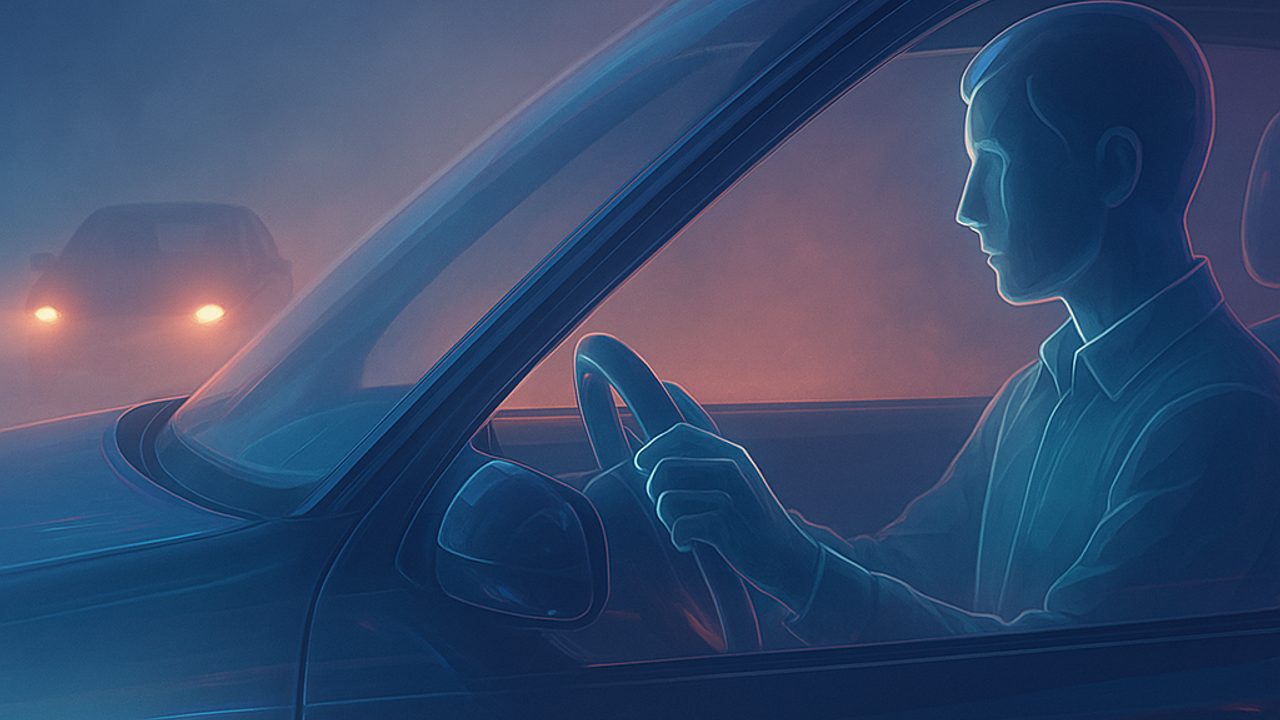
Fog and low visibility turn routine trips into risky scenarios. Distance perception changes, reaction time shortens, and automatic decisions can be costly.
In daily driving, some mistakes repeat themselves. Identifying these traps and adopting simple adjustments helps maintain vehicle control and reduce the chance of accidents.
Trap 1: using high beams thinking you "see more"
In fog, high beams worsen visibility. The strong light reflects off water droplets and creates a white wall effect in front of the car.
How to avoid it in everyday driving
- Use low beams whenever there is fog, heavy rain, or mist. - If the vehicle has fog lights, use them together with low beams, never alone. - Avoid constantly switching headlights; keep a stable setting so as not to confuse other drivers.
Trap 2: following the car ahead "along for the ride"
Low visibility gives a false sense of guidance when following another vehicle’s taillights. The problem is that if it brakes or changes lanes unexpectedly, reaction time is minimal.
How to keep a safe distance
- Increase the following distance beyond what is used on clear days. - Use simple references: when the car ahead passes a fixed point, count a few seconds before passing the same spot. - If you feel pressure from vehicles behind you, prioritize your safety; abrupt slowdowns create chain risks.
Trap 3: keeping the same speed as always
The road may be wet, signage less visible, and the field of view reduced. Maintaining your usual speed reduces the margin for corrections.
Practical speed adjustments
- Reduce speed gradually, without abrupt braking. - Favor gears that allow better engine control and smoother response. - Pay attention to your own visual comfort: if you can’t see far ahead, the speed is too high.
Visual communication: be seen before trying to see
In fog, being noticed by other vehicles is as important as seeing.
- Keep taillights and headlights clean. - Avoid driving only with daytime running lights (DRL), which may not activate rear lights. - Use hazard lights only when stopped or in imminent danger, not while moving continuously.
When visibility becomes too critical
There are moments when continuing is no longer the best option. If the fog is very dense:
- Look for a safe place to stop, off the travel lane. - Properly signal the stopped vehicle. - Wait for visibility to improve before resuming the trip.
Prevention, in these cases, lies in recognizing limits. Adjusting headlights, following distance, and speed in everyday driving makes a real difference to everyone’s safety.
Comments
Comments are public and the sole responsibility of the author. Don’t share personal data. We may store technical signals (e.g. IP hash) to reduce spam and remove abusive, illegal, or off-topic content.