
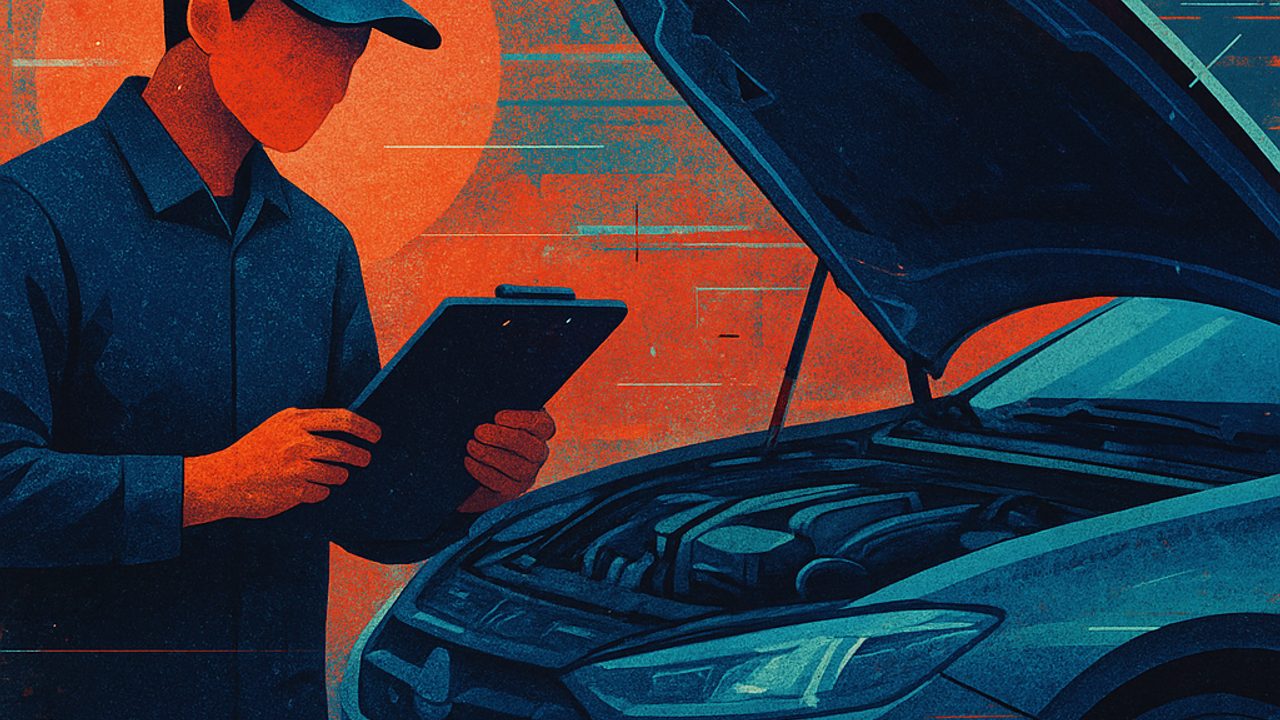
When a car starts using more fuel than normal, the impact goes beyond the budget. In many cases, high consumption is a sign that something isn’t working as it should — and this can compromise safety.
For those just starting out, the ideal approach is to follow a simple checklist focused on observation and habits, without disassembly or complex interventions. Below are three common causes of high consumption and how to investigate them safely.
1) Tires outside the ideal pressure
Driving with underinflated tires or tires above the recommended pressure increases engine effort and changes the car’s behavior in corners and during braking.
How to investigate safely
- Check tire pressure when the tires are cold. - Use the values indicated in the manual or on the vehicle label (usually on the door pillar). - Look for uneven wear, which may indicate misalignment.
In addition to increasing consumption, improperly inflated tires reduce stability and increase braking distance, especially on wet roads.
2) Excess weight and poorly distributed load
Carrying unnecessary weight makes the engine work harder and can affect the vehicle’s balance, especially during maneuvers and corners.
What to check before driving
- Trunk with items that are not used frequently. - Fixed accessories that are not being used, such as roof racks. - Uneven load distribution, concentrated on one side of the car.
Reducing weight helps fuel consumption and improves the car’s predictability in emergency situations.
3) Warning lights on the dashboard
Ignoring a lit warning light on the dashboard can lead to higher consumption and, in some cases, to faults that directly affect safety.
Special attention for beginners
- An injection or engine warning light indicates the system may be operating outside ideal conditions. - Avoid continuing to drive if there is a loss of power or irregular operation. - Note when the light came on and under what conditions (cold start, heavy traffic, highway).
Even if the car continues to run, these lights are important warnings to prevent excessive wear and risky situations.
High consumption is also a warning sign
When investigating increased consumption, the focus should not be only on saving fuel, but on ensuring the car is operating in a predictable and safe way. For beginners, observing, recording, and correcting simple habits already makes a difference and helps identify when it’s time to seek a more detailed check.
Comments
Comments are public and the sole responsibility of the author. Don’t share personal data. We may store technical signals (e.g. IP hash) to reduce spam and remove abusive, illegal, or off-topic content.