
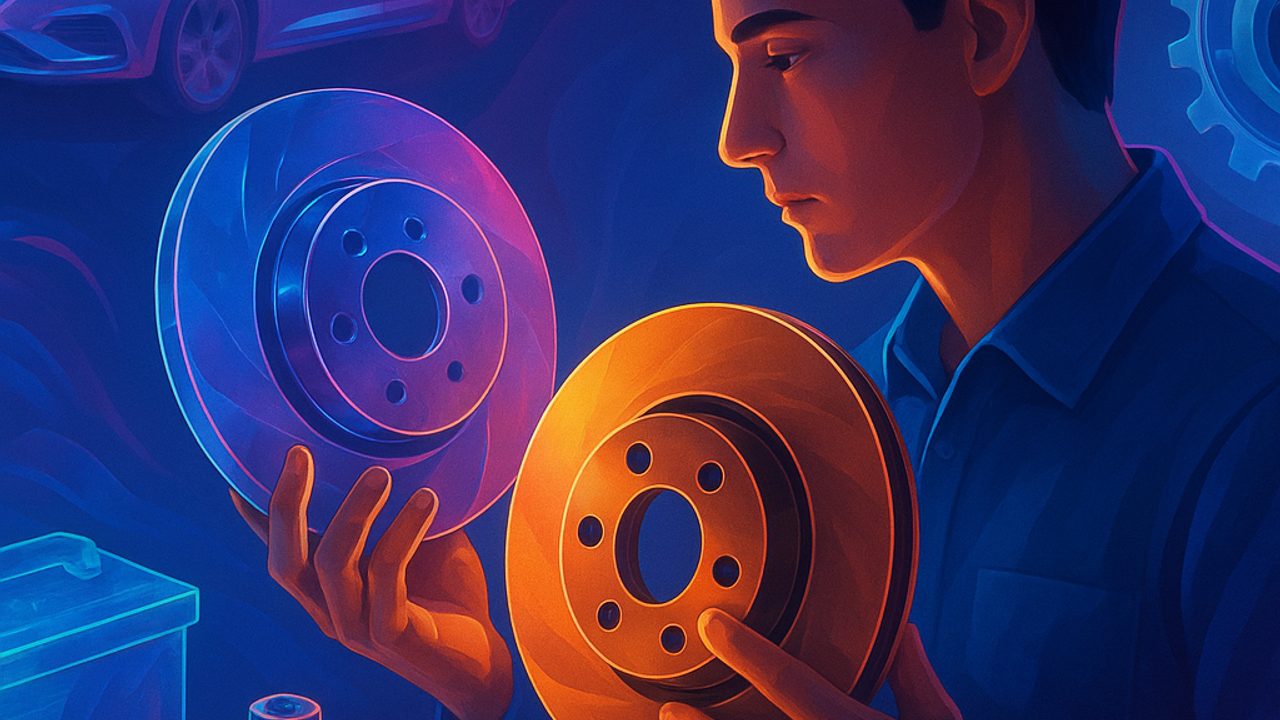
Replacing a vehicle part may seem simple, but it is one of the areas where conflicts and scams most often occur in automotive consumption. The doubt between original and aftermarket parts usually comes with pressure, technical terms, and little transparency.
The questions below bring together real everyday situations, with straightforward answers to help you decide better and reduce risks.
What is an original part and who manufactures it
An original part is one supplied by the vehicle manufacturer, usually bearing the brand and sold through dealerships or authorized channels. In many cases, it is produced by a third-party manufacturer, but it follows specifications defined by the automaker.
The key point is traceability: packaging, part code, and invoice usually make the origin clear.
Is an aftermarket part always illegal or low quality?
No. An aftermarket part is any part that does not carry the automaker’s brand. Within this group there are important differences:
- First-line aftermarket parts: made by well-known manufacturers, with standards close to the original. - Generic aftermarket parts: cheaper, with variable quality control. - Reconditioned or remanufactured parts: used and restored, which require extra caution.
The problem is not the existence of aftermarket parts, but the lack of clear information about what is being sold.
Can the repair shop install an aftermarket part without informing you?
It should not. Under the Consumer Defense Code, information must be clear and adequate. This includes stating:
- Whether the part is original or aftermarket. - The brand of the aftermarket part. - The price difference between the options, when applicable.
Installing a part different from what was approved in the estimate, without consent, is an abusive practice.
How scams usually happen during part replacement
Some patterns repeat themselves:
- Charging for an original part and installing an aftermarket one. - Using vague terms like “equivalent to the original” without explaining the brand. - Claiming urgency to prevent the consumer from asking for the old part back. - Presenting empty packaging of an original part while installing a different one.
Always be wary of rushed explanations and refusals to detail what is being done.
Does using an aftermarket part void the vehicle warranty?
It depends on the context. As a rule:
- The warranty cannot be automatically canceled just because an aftermarket part is used. - The automaker can deny coverage only if it proves that the part caused the problem.
That is why keeping the invoice, the part brand, and the service description is basic protection.
What to ask for before authorizing the service
Some simple actions greatly reduce risk:
- A written estimate, with a description of the parts. - Clear indication of whether the part is original or aftermarket and its brand. - Separate pricing for parts and labor. - Confirmation that the replaced part can be seen or taken back.
These precautions help both in the decision and in any eventual dispute.
When the original part is worth it
There are situations in which paying more makes sense:
- Components related to safety, such as brakes and suspension. - Vehicles still under factory warranty. - Cases where there is no reliable aftermarket option available.
It is not an absolute rule, but an assessment of risk and vehicle use.
Transparency is a right, not a favor
Consumers do not need to understand mechanics to demand clarity. Asking questions, comparing options, and requesting everything documented is not excessive distrust—it is the exercise of a right.
Scams thrive when information disappears. When it appears, the relationship shifts sides.
Comments
Comments are public and the sole responsibility of the author. Don’t share personal data. We may store technical signals (e.g. IP hash) to reduce spam and remove abusive, illegal, or off-topic content.