
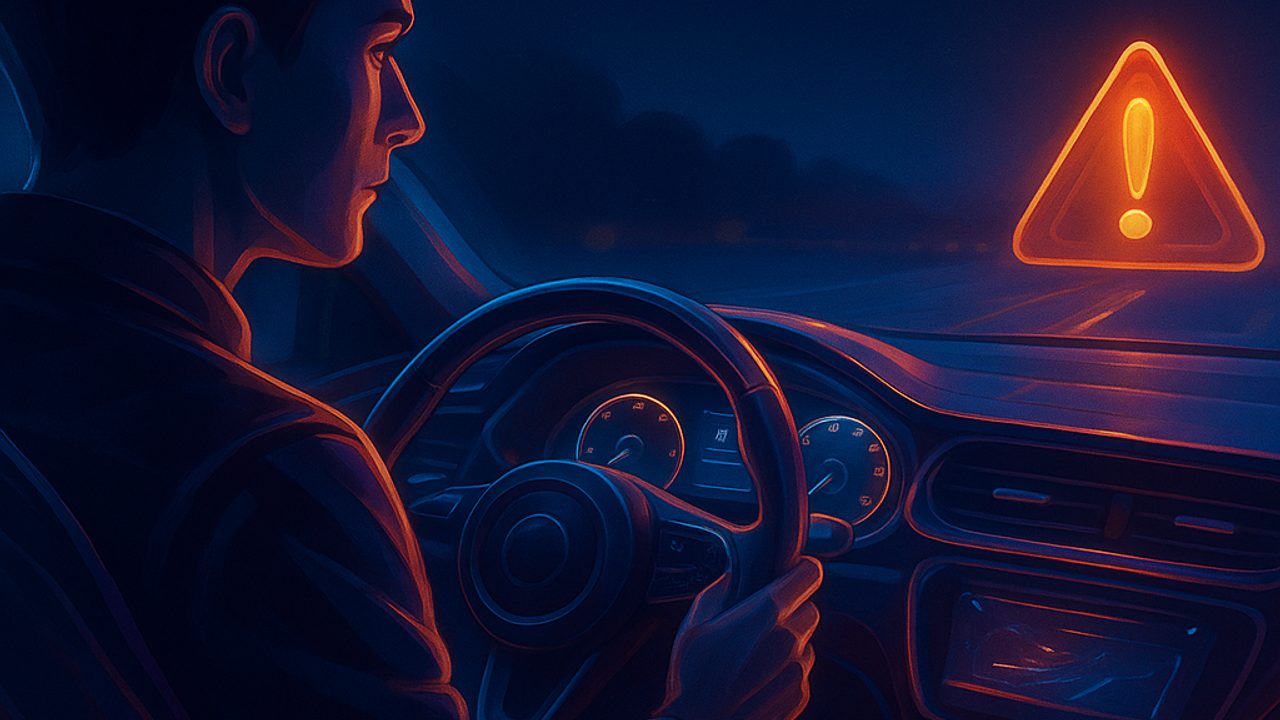
Driving at night changes everything: visibility shrinks, fatigue shows up sooner, and any lighting issue matters more. For those just starting out, recognizing the right signs makes the difference between a smooth trip and a scare.
The alerts below are common, easy to notice, and have practical solutions. Pay attention to the details — they protect you, your passengers, and the vehicle itself.
Sign 1: headlights illuminate poorly, spread too wide, or dazzle
If the road seems swallowed by darkness or other cars flash asking for low beams, something is off. Weak headlights strain your eyes; high beams or poorly adjusted lights create risk for oncoming traffic.
**What to do right away:** - Make sure you’re using the correct lights (low beams in the city and when there’s traffic ahead). - Clean the lenses on the outside; dirt significantly reduces lighting. - Adjust headlight height on the dashboard (if available) when the car is loaded.
**Later, calmly:** - Check that bulbs are the same color and wattage on both sides. - Have the beam alignment adjusted; it’s quick and prevents glare.
Beginner tip
Replacing only one bulb usually leaves uneven lighting. Changing them in pairs helps keep consistency and visibility.
Sign 2: difficulty staying focused and slow reactions
Noticing long blinks, frequent yawning, or delays reacting to signs and braking ahead? At night, the brain works harder to interpret shadows and contrasts — fatigue sets in sooner.
**What to do right away:** - Slow down and increase the distance from the car ahead. - Adjust the inside rearview mirror to night (anti-glare) mode. - Take a short break: splashing water on your face and a few minutes outside the car help.
Simple adjustments that help
- Lower the dashboard brightness; too much light tires the eyes. - Avoid screens and long conversations while driving.
Sign 3: “narrow” vision and lateral surprises
At night, pedestrians, cyclists, and animals appear suddenly, especially outside well-lit roads. If you only notice what’s directly ahead, your field of view is limited.
**What to do right away:** - Scan the road with your eyes, alternating focus near and far. - Use high beams only when there’s no risk of dazzling others. - Pay extra attention to shoulders and unlit intersections.
Quick preparation before heading out
Five minutes prevent hours of tension: - Test headlights, tail lights, turn signals, and license plate light. - Adjust the seat and steering wheel for a comfortable posture. - Clean the windshield and mirrors inside and out.
When it’s safer to stop
If fatigue persists, vision remains poor, or the road conditions aren’t cooperating, stopping is a safety decision. A short rest is usually better than pushing on and making a mistake.
Safety also matters when selling
A car with aligned lighting, correct bulbs, and an interior free of reflections inspires confidence. Beyond reducing everyday risks, these details show up during inspections and increase value when it’s time to list.
Driving at night requires respecting your limits. Identifying the signs early and taking simple action keeps you safe — and the car in good condition.
Comments
Comments are public and the sole responsibility of the author. Don’t share personal data. We may store technical signals (e.g. IP hash) to reduce spam and remove abusive, illegal, or off-topic content.