
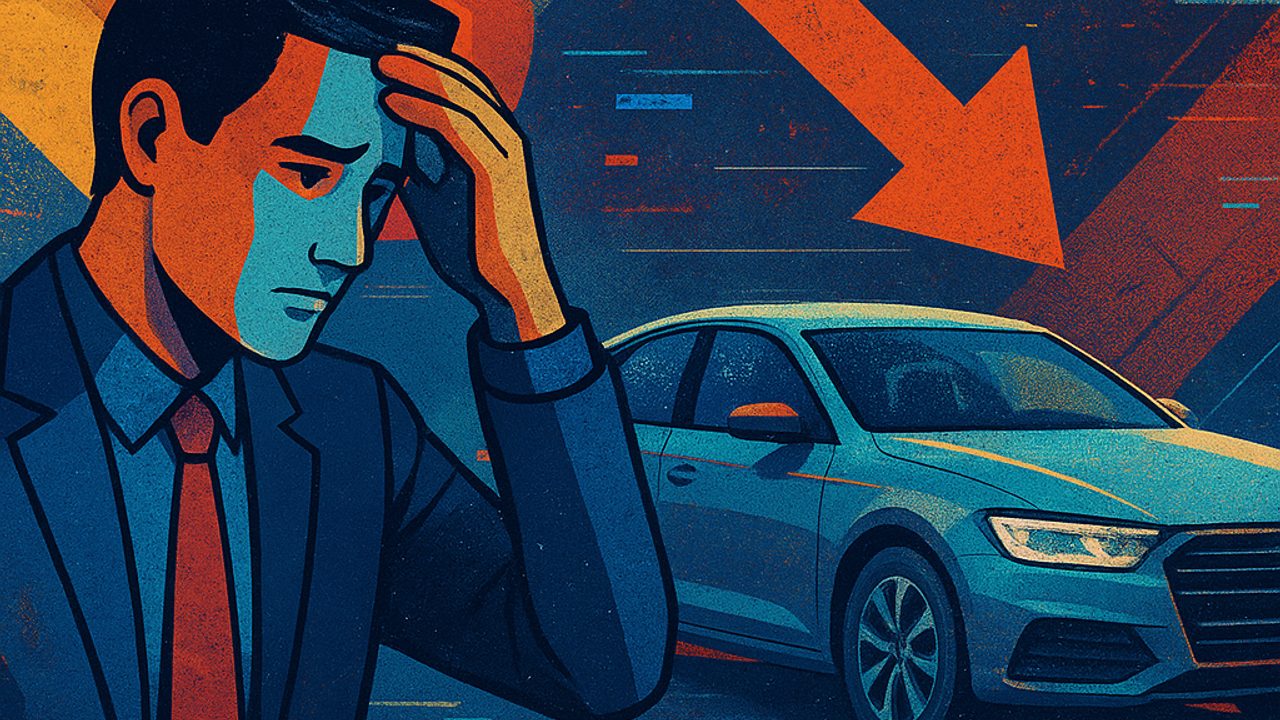
Depreciation is the expense that doesn’t send a bill, but weighs on your wallet. It shows up when the car loses value faster than expected and turns a good purchase into an inflated TCO.
For those just starting out, the common mistake is to look only at the installment, fuel consumption, or insurance. Resale value is left for later — and later is often too late. Below are three clear warning signs and what to do while there’s still time.
Sign 1: Out-of-standard maintenance (or no records)
A well-maintained car sells better. A car without history scares buyers. Depreciation accelerates when services are delayed, low-quality aftermarket parts are used, or there are no receipts.
What weighs on TCO
- Corrective repairs are more expensive than preventive ones. - Lack of history lowers the price in negotiations. - Buyer distrust turns into forced discounts.
What to do now
- Follow the basic maintenance plan, even out of warranty. - Keep receipts and records, even digital ones. - Prioritize items visible at resale: brakes, suspension, and air conditioning.
Sign 2: Usage that doesn’t match the car’s profile
Driving little isn’t always an advantage. Driving too much isn’t either. Depreciation spikes when real-world use doesn’t align with the vehicle’s design.
Common examples
- Urban hatchback doing highway trips every day. - Heavy SUV used only on short trips, with premature wear. - Annual mileage far above the segment average.
What weighs on TCO
- Accelerated wear of tires, brakes, and clutch. - Higher-than-expected fuel consumption. - Lower resale appeal due to “severe use”.
What to do now
- Adjust habits: routes, tire pressure, and driving pace. - Reevaluate keeping the car if usage has changed for good. - When replacing it, choose a model aligned with your real routine.
Sign 3: Neglected appearance and accumulated minor damage
Scratches, small dents, and a poorly kept interior seem like details. At resale, they become arguments to knock down the price — fast.
Where depreciation accelerates
- Sun-damaged paint or poorly done touch-ups. - Cloudy headlights and scratched wheels. - Interior with odors, stains, or loose plastics.
What to do now
- Fix small repairs before they become big ones. - Periodic interior cleaning costs less than the discount demanded by the buyer. - Avoid customizations that are hard to reverse.
How to factor depreciation into TCO
For beginners, a practical rule helps: treat depreciation as an invisible monthly expense.
- Compare the price paid with average resale values after 2 or 3 years. - Divide the difference by the planned period of use. - Add this amount to fuel, insurance, and maintenance.
When the number is scary, the signal was already there.
Informed decisions reduce loss, not eliminate it
Depreciation isn’t an isolated villain. It’s part of the game. The problem is ignoring the warnings and discovering the cost only at the time of sale. Reading these signs early helps adjust habits, choose the next car better, and keep TCO under control — without unpleasant surprises at the end of the road.
Comments
Comments are public and the sole responsibility of the author. Don’t share personal data. We may store technical signals (e.g. IP hash) to reduce spam and remove abusive, illegal, or off-topic content.