
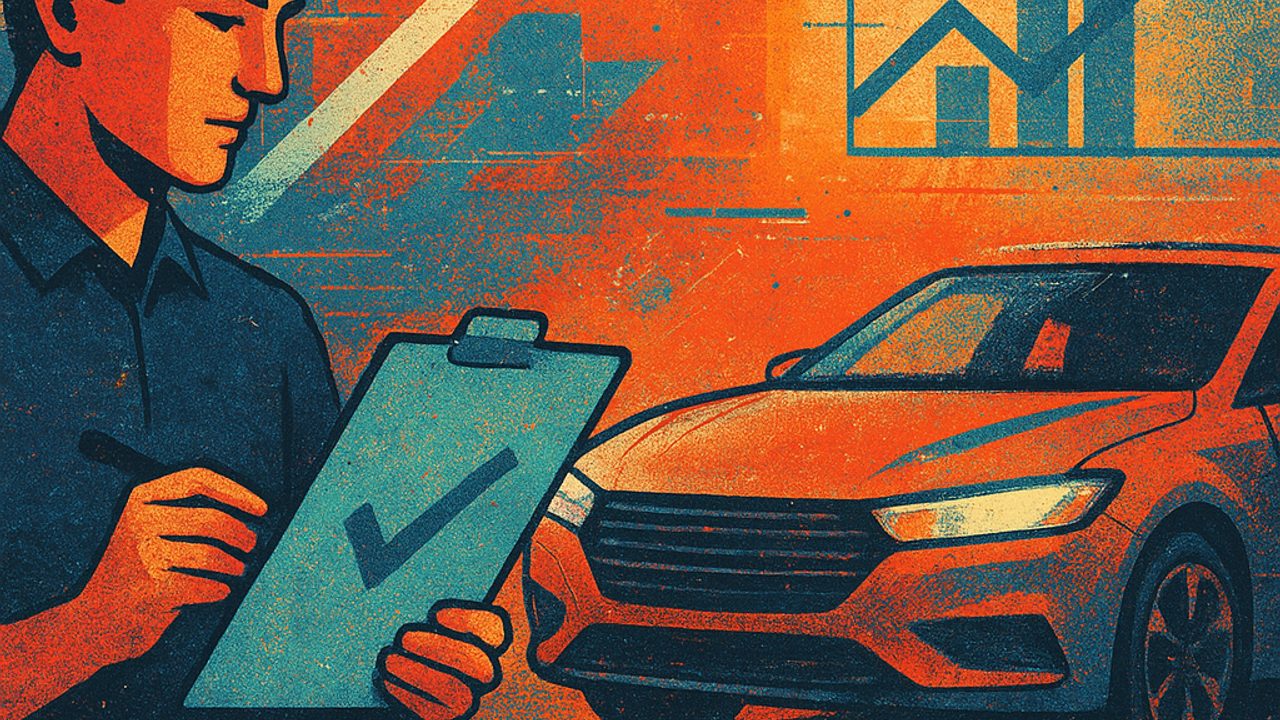
Selling a car is not just listing it and waiting. Every adjustment before the sale has a cost — in money or time — and not every expense comes back in the price.
For those just starting, the secret is comparison: how much it costs to prepare versus how much that helps you sell better. The checklist below focuses on what tends to bring return and what usually turns into waste.
1) Appearance: deep cleaning or expensive detailing?
Buyers decide quickly. Poor appearance lowers offers; an appearance that is “good enough” already works. The comparison here is straightforward: small expense with high impact versus high investment with uncertain return.
What usually pays off
- Detailed wash (exterior and interior) - Basic cleaning of seats and carpets - Small, easy visual touch-ups (hubcaps, simple covers, light engine cleaning without excess)
These items improve first impression and help the listing stand out without inflating costs.
What rarely comes back in the price
- Expensive technical polishing - Full reupholstery for aesthetics - Visual customizations to “beautify”
If the expense does not change the perception of condition, it will hardly turn into value in negotiation.
2) Maintenance: fix issues or mask problems?
Here the comparison is between fixing the essentials now or losing money later in negotiation. Beginners often make the mistake of trying to hide defects.
Adjustments that help close the deal
- Replacement of inexpensive wear items (wipers, bulbs, filters) - Basic check to eliminate simple noises - Correction of obvious dashboard warnings
These are predictable costs that avoid larger discounts requested by the buyer.
Expenses that do not pay for themselves
- Full services ahead of schedule - Preventive replacement of expensive parts with no defect - Mechanical upgrades without provable history
The average buyer does not pay more for “invisible” maintenance.
3) Documentation and history: time spent versus bargaining power
Organization costs almost nothing, but weighs heavily when comparing two similar cars. Those who make life easier for the buyer usually negotiate better.
What is worth setting aside before listing
- Owner’s manual and spare key - Basic maintenance receipts - Checked status of fines and fees
This reduces uncertainty and shortens negotiation.
What does not change the price
- Excessive reports or expensive inspections without request - Overly complete folders for economy cars
Clarity helps; excess rarely adds value.
Quick comparison: where to focus to lose less
- **Basic appearance**: low cost, high impact - **Essential maintenance**: medium cost, avoids large discounts - **Organized documentation**: almost no cost, improves negotiation
Common beginner mistake
Spending before comparing. The ideal preparation is not the most complete, but the one that balances cost, perception, and speed of sale. Thinking like a buyer helps you choose better where to invest — and where to stop.
Comments
Comments are public and the sole responsibility of the author. Don’t share personal data. We may store technical signals (e.g. IP hash) to reduce spam and remove abusive, illegal, or off-topic content.